.jpg)
ShadeHouses vs Greenhouses: Choosing the Right Farming Structure
Ifyou are a smallholder farmer, practice horticulture, or grow high-value crops,at some point, you will find yourself at a crossroads trying to decide whichway to go as far as shade houses vs greenhouses for your protected farming.
Itis a question that breeds undeniable confusion. The two structures look similarenough from a distance, and the terms are often used interchangeably even bypeople who should know better.
Butshade house vs greenhouse isn’t just a matter of preference; it’s a decisionthat directly affects your yields, your costs, and how well-suited your farm isto what you’re actually growing.
So,let’s clear it up properly.
WhatEach Structure Actually Does
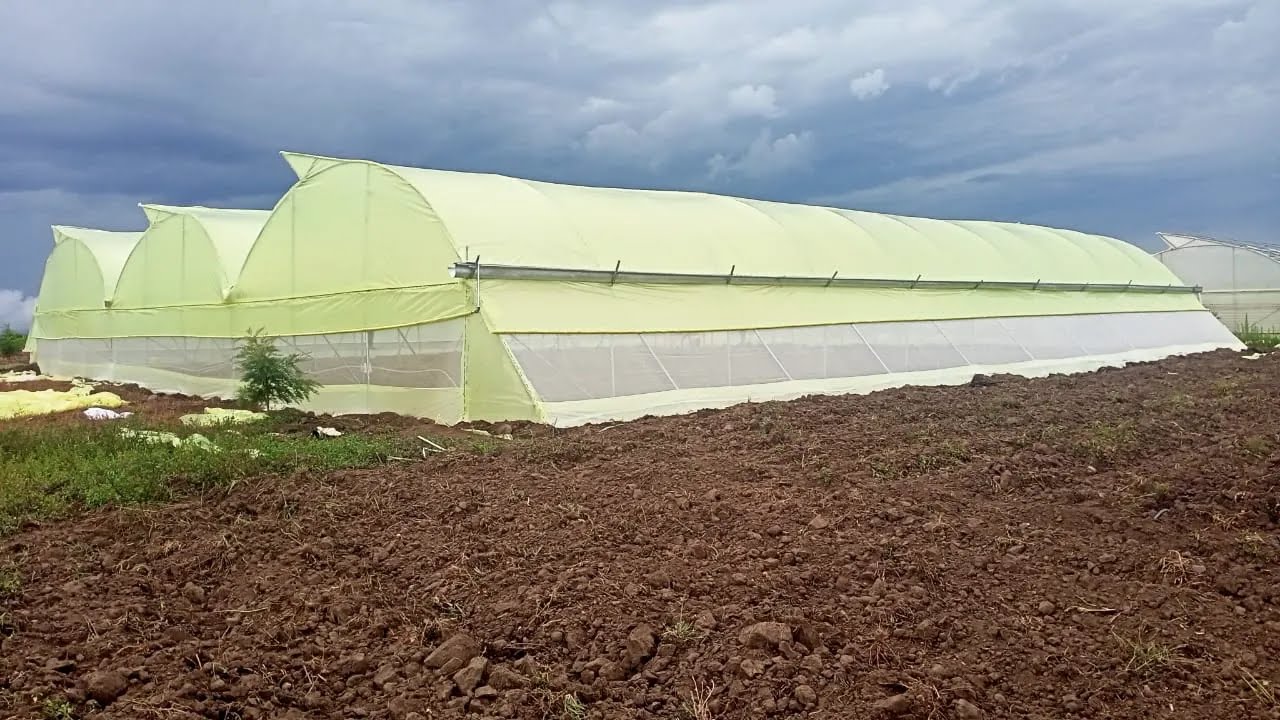
Agreenhouseis a sealed, enclosed structure. Its walls and roof are covered in transparentor translucent polythene sheeting, which traps heat and creates a warm,controlled internal climate.
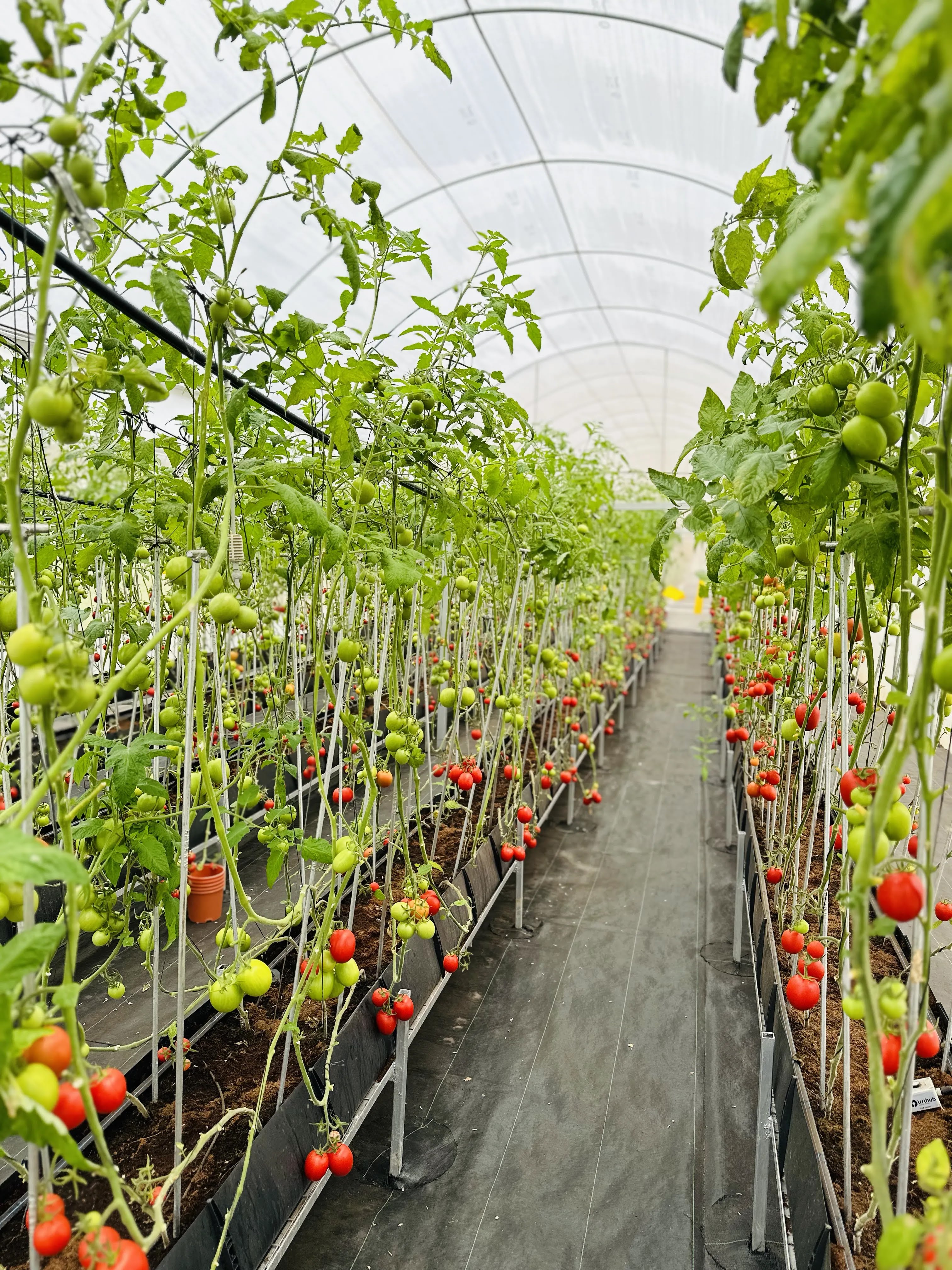
Thegoal is to manipulate the environment; make it warmer, more humid, and morecontrolled than whatever the weather outside the structure is doing. This iswhy greenhouses are so popular for crops like tomatoes and capsicum, which needconsistent warmth and don’t cope well with temperature swings.
Ashade houseworks on an entirely different principle. Instead of sealing the environmentin, it opens it up, just enough.
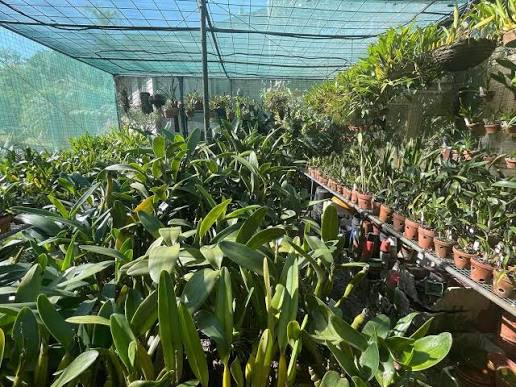
Thewalls and roof of a shade house are made from UV-treated polythene nettingrather than solid sheeting. This means natural air circulates freely throughthe structure.
Whatthe shade house is doing is filtering. It cuts out a controlled percentage ofsunlight, reduces wind speed, keeps out insects and pests, and takes the worstof the heat stress off your crops, without trapping that heat inside.
Theresult is an environment that feels like an ideal outdoor day, every day,regardless of what the weather is actually doing.
Thedifference, sealed vs breathable, is the heart of the shade house vs greenhousedecision.
WhatA Greenhouse Makes Sense
Ifyour goal is to grow high-value crops that demand a warm, tightly controlledenvironment, and you’re farming in a region where temperatures dropsignificantly at night or during cooler months, a greenhouse is the right tool.
Thepolythene cover creates a micro-climate that is largely independent of outsideconditions, which is exactly what you need for crops that won’t perform withoutconsistent warmth.
Greenhousesalso work well for extending growing seasons, producing crops during periodswhen outdoor or shade house conditions simply are not warm enough to supportthem.
Thetrade-off is that greenhouses require more careful ventilation management. Seala structure in Kenya’s midday heat without adequate airflow, and temperaturesinside can climb fat enough t cause more crop damage than they prevent.
Theyalso come at a higher setup cost than shade houses of adequate size.
Whena Shade House Makes More Sense
Here’sthe honest truth as far as shade house vs greenhouse: for a large portion ofwhat Kenyan farmers in warmer parts of the country are actually growing, ashade house is the smarter fit.
Kenya’sclimate across most farming regions is already warm enough that you don’t needto trap heat. You need to reduce it. The shade house does exactly that. Itfilters sunlight, reduces temperature without eliminating it, keeps air moving,and protects crops from pests, harsh winds, and intense UV radiation thatopen-field farming exposes them to.
Shadehouses are the natural choice for leafy vegetables, herbs, seedling nurseries,floriculture crops, and any crop that thrives in bright but diffused lightrather than direct sun. A greenhouse shade net is sometimes added inside anexisting greenhouse for the same reason: when the environment gets too intense,and crops need the intensity dialed back.
Ifyou are running a plant nursery, a shade house is your ideal structure.Seedlings need protection, good airflow, and controlled light.
TheQuestion Of Shade House Density
Oneadvantage of a shade house that often goes overlooked in shade house vsgreenhouse conversations is the flexibility to choose your shading level.
Shadenets come in different densities, typically 50%, 60%, 70%, and 90%, eachfiltering different proportions of sunlight. This means you can match thestructure to the exact light requirements of your crop.
Seedlingsand ornamentals often require a higher shading density to filter more sunlight.Vegetables generally do well at mid-range levels.
Thedifference between a shade house and a greenhouse in this regard is that thelatter offers minimal control over light intensity once it is built, while ashade house allows you to choose the density from the start.
OriginalReliable Shade Houses in Nairobi, Kenya at Irrihub Ke, +254 112 148 880
Ifyou are looking to buy reliable, high-quality shade houses in Kenya, Irrihubhas nice offers you may consider. We sell shade housesand other growingsolutionsas independent units or as complete solutions (kits). The complete shade house solutionsinclude:
· Fullgalvanized steel shade house structure
· UV-treatedshade net
· Entryporch
· Completedrip irrigation system
· Qualitywater tank (size varies by tier)
· Professionalinstallation by IrriHub-trained technicians
· Farmertraining on shade house management and irrigation operation
· After-salessupport from the IrriHub team
· 2-yearwarranty on structure and materials
TheBottom Line on Shade House Vs Greenhouse
Ifyou grow tomatoes, capsicum, or other high-value crops in a cooler climate zoneand temperature control is your primary concern, go for a greenhouse.
Ifyou are growing vegetables, seedlings, herbs, flowers, or any shade-tolerantcrop in a typical Kenyan lowland or midland climate where heat is the biggestenemy, a shade house will serve you better, at a lower cost, with lessmanagement overhead.
Andif you are still not sure, the best move is to booka site visit. Theright structure depends on your specific location, your crop plan, and yourlong-term goals; and getting that assessment done properly before you build isworth every minute.