ShadeHouse Farming Practices That Improve Crop Survival Rates
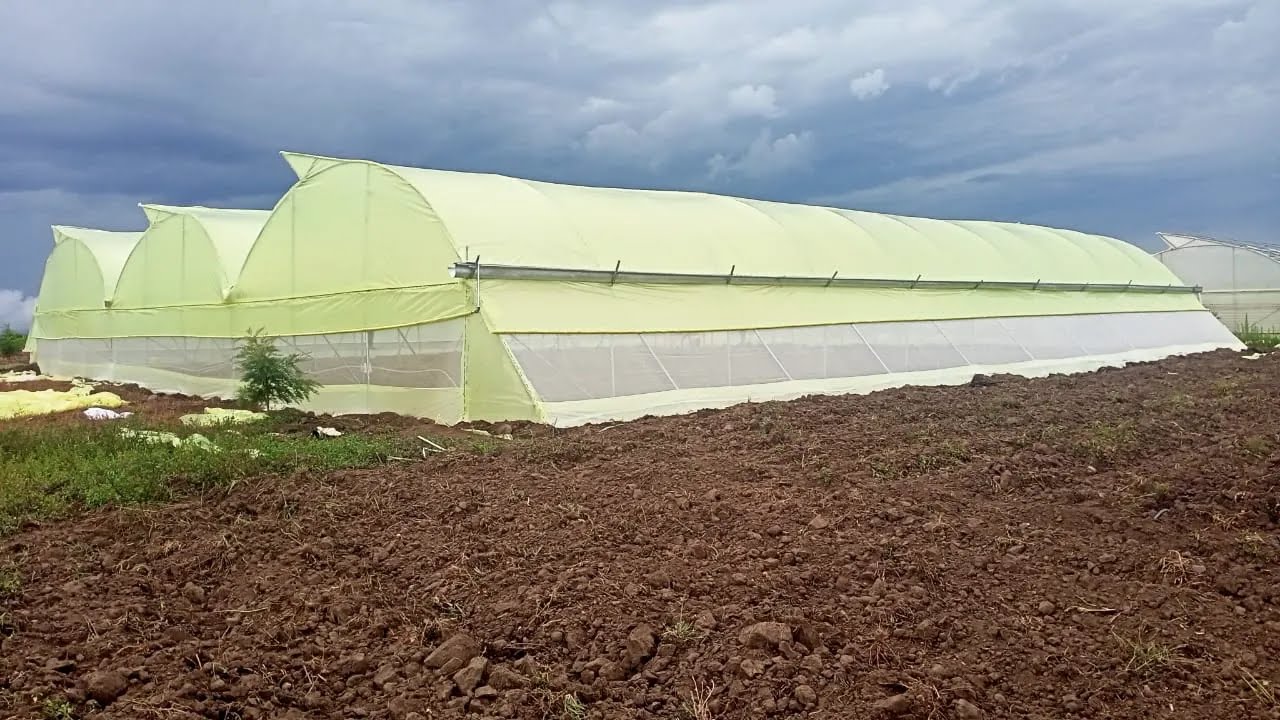
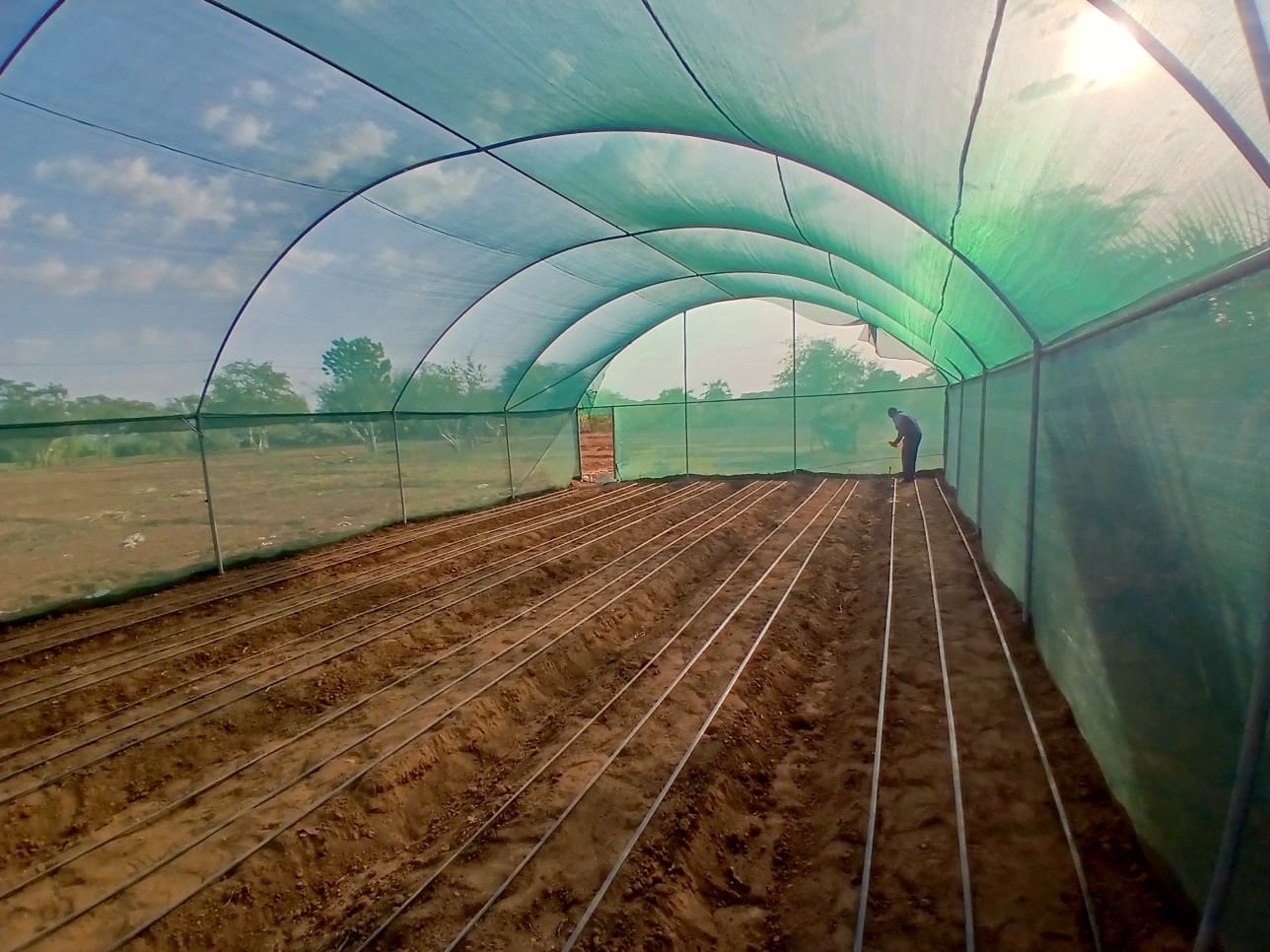
Theshade house is up. The structure is solid, the net is tensioned, and the bedsare ready. A lot of farmers arrive at this point and breathe a sigh of relief,feeling like the hard work in their shade house farming is done. And in onesense, it is; getting the structure right matters enormously.
Buthere's the part that separates shade house farmers who consistently producewell from those who struggle: what happens inside the structure after it'sbuilt.
Shadehouse farming is not just open-field farming with a net overhead. Theenvironment inside a shade house behaves differently, and thepractices you use need to reflect that. Get them right, and your crop survivalrates, yield consistency, and quality of produce will all improvesignificantly.
Getthem wrong, and you'll wonder why the shade house isn't delivering what youexpected.
Readalong to discover the shade house farming techniques and practices thatactually make a difference.
MatchYour Irrigation to the Environment
Oneof the quieter benefits of shade house farming is that the net reduces direct sunlighton the soil surface, slowing evaporation. This is good; it means your crops areusing water more efficiently than they would in the open field.
Butit also means you need to irrigate more thoughtfully, because overwatering in ashade house is a faster route to root disease than it would be outdoors.
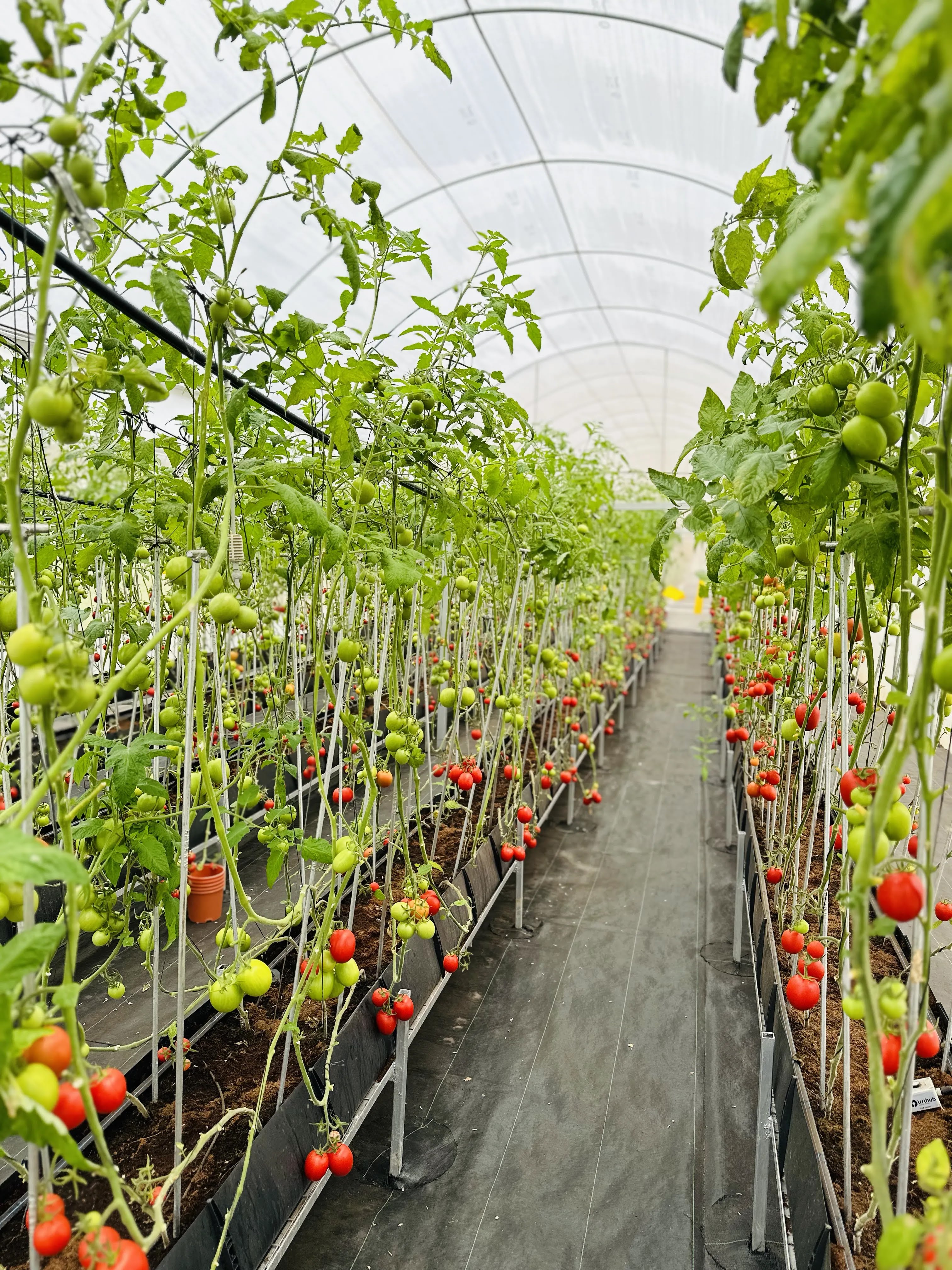
Drip irrigation is the standard for shade housecrop production, and for good reason. It delivers water directly to the rootzone, keeps foliage dry, and gives you precise control over how much moisturethe soil receives.
Wetleaves in an enclosed or semi-enclosed structure create the exact conditionsthat fungal diseases love. Drip irrigation avoids that problem entirely.
Calibrateyour drip system to the actual water needs of the crop at each growth stage,and adjust as the season changes. Newly transplanted seedlings need gentle,frequent irrigation to establish roots. Mature plants in active production needdeeper, less frequent watering that encourages roots to grow downward ratherthan sitting near the surface.
GetSerious About Integrated Pest Management
Here'sa common misconception about shade net farming: that the net keeps pests out,so spraying becomes unnecessary.
Thenet does reduce pest pressure significantly. It blocks birds, cuts down onflying insect entry, and reduces the physical beating crops take from wind andrain. But it doesn't eliminate pests, and the slightly warmer, more humidmicroclimate inside a shade house can actually accelerate the spread of pestsand diseases once they're in.
Theanswer is an integrated approach. Scout your crops regularly: walk through thestructure at least twice a week and inspect leaves, stems, and the underside offoliage where pests prefer to hide.
Catchan infestation early, and you deal with it quickly. Catch it late, and you'remanaging a problem that's already spread to a significant portion of your crop.
Usebiological pest controls where possible: beneficialinsects, neem-based sprays, and crop rotation are all more effective and lesscostly in the long run than calendar-based chemical spraying.
Whenyou do need to spray, choose targeted products and apply them in the earlymorning or evening when temperatures are lower, and the spray stays on theplant surface longer rather than evaporating immediately.
PayAttention to Soil Health
Shadehouse crop production tends to be intensive. The same beds are planted seasonafter season, often with the same crops. Without deliberate soil management,this leads to a rapid decline in soil structure, fertility, and biologicalactivity.
You'llsee it in your yields before you see it in a soil test: plants that lookslightly off, slower growth than the previous season, more disease pressurethan before.
Incorporatecompost or well-rotted organic matter before each new planting cycle. Thisreplenishes nutrients, improves soil structure, and supports the microbialactivity that makes nutrients available to plant roots.
Ifyou're farming in the same beds continuously, a soil test every few seasonstells you exactly what's depleted and what doesn't need adding, which savesmoney on inputs you don't actually need.
Managethe Microclimate Actively
Theshade house creates a microclimate, but that microclimate still needs to bemanaged. On hot afternoons, the temperature inside can climb even with goodshading and airflow, and heat stress above about 35°C causes flowering crops todrop blossoms, which directly reduces yield.
Keepside walls open during the hottest hours of the day to encourage passiveventilation. If your structure has roll-up sides, use them.
Mulchingthe bed surface with dry grass or black polythene reduces soil temperature andcuts down on surface evaporation, keeping root zone conditions more stableduring hot periods.
Duringthe cooler months (Kenya's "cold season" between June and August),the same ventilation approach applies in reverse. Closing the lower portions ofside walls in the evening traps warmth and protects crops that are sensitive tocold nights, particularly in higher-altitude areas like the central highlands.
Don'tSkip the Plant Spacing
It'stempting, especially in a relatively small structure, to push planting densityhigher than the crop actually needs. More plants equal more yield; exceptthat's not how it works in practice.
Crowdedplants compete for nutrients and light, airflow between them drops, andhumidity in the canopy increases. This is the fastest way to turn a shade houseinto a disease nursery.
Stickto the recommended spacing for whatever you're growing. Adequate spacing is notwasted space; it's the condition that allows every plant to reach itsproductive potential.
Ultimately,Keep Records
Thislast practice sounds like administrative overhead, and farmers often resist itfor that reason. But a simple record of what was planted, when, what inputswere applied, and what the yield looked like is genuinely valuable information.It tells you which varieties performed best in your specific shade house conditions, which seasons are mostproductive, and where input costs can be trimmed without affecting yield.
OriginalReliable Shade Houses in Nairobi, Kenya at Irrihub Ke, +254 112 148 880
Ifyou are looking to buy reliable, high-quality shade houses in Kenya, Irrihubhas nice offers you may consider. We sell shade housesand other growingsolutionsas independent units or as complete solutions (kits). The complete shade house solutionsinclude:
· Fullgalvanized steel shade house structure
· UV-treatedshade net
· Entryporch
· Completedrip irrigation system
· Qualitywater tank (size varies by tier)
· Professionalinstallation by IrriHub-trained technicians
· Farmertraining on shade house management and irrigation operation
· After-salessupport from the IrriHub team
· 2-yearwarranty on structure and materials
FinalThoughts
Shadehouse farming rewards attention. The more precisely you understand what'shappening inside your structure, the better your decisions become, and the moreconsistently your crop survival rates and harvests reflect the full potentialof farming under protection.