Flower and Orchid Shade Houses: Light and Climate Requirements
Orchids have a reputation for being difficult. Fussy, delicate, unforgiving of mistakes. And in the wrong environment, that reputation is earned. They'll sit sulking without flowering, or worse, decline quietly until you realize something has been wrong for weeks. This is where flower and orchid shade houses come in.
Most orchid growing problems trace back to one root cause: giving the plant too much of something or too little of it, whether that is light, humidity, airflow, or water. Get those four parameters right, and orchids are far more cooperative than their reputation suggests.
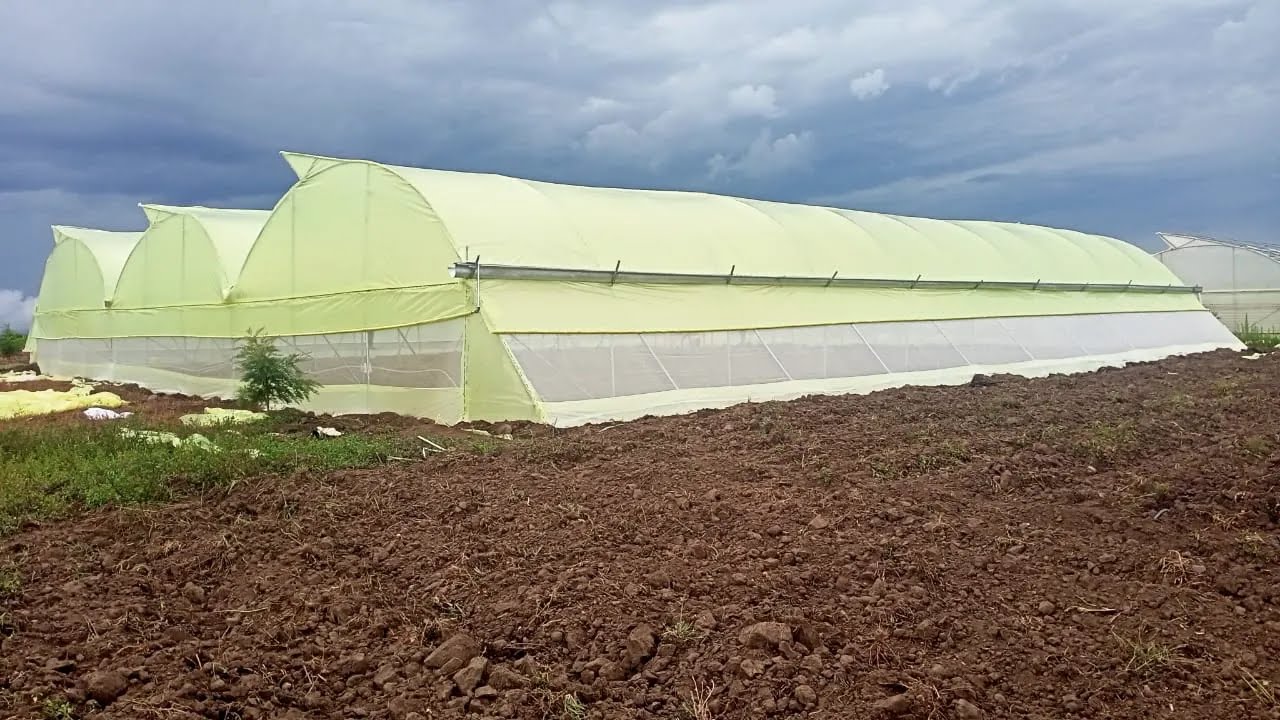
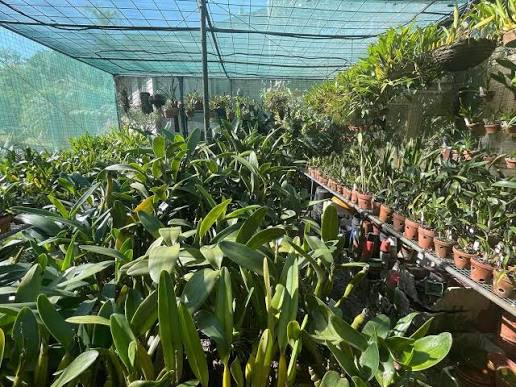
The orchid shade house does an excellent job of making getting those parameters right achievable. This is a shade house for plants designed and configured for the specific climate requirements of flowering plants.
Why Flowers and Orchids Need a Shade House
In their natural habitat, most orchids grow in the filtered light of tropical forest canopies, bright but diffused. They prefer bright indirect light. Direct midday sun can burn orchid leaves.
Kenya's equatorial sun, at its midday peak, is far too intense for most orchid species grown commercially. Exposed to full direct sunlight, orchid leaves scorch, pseudobulbs shrivel, and flowering is suppressed as the plant diverts energy to dealing with heat stress rather than blooming.
Orchids thrive in dappled light, much like their natural habitats. Full sun can be too intense, especially during midday, so providing shade is crucial.
An orchid shade house replicates that forest canopy effect at a commercial scale, filtering sunlight to a gentler intensity, moderating temperature, maintaining airflow, and creating the kind of stable microclimate in which orchids and other flowering plants can focus their energy on what you actually want from them: consistent, high-quality blooms.
For cut flower crops beyond orchids, similar principles apply. Intense direct sun degrades petal quality, accelerates water stress, and shortens vase life. A shade house for plants produces flowers that arrive at the buyer in better condition and last longer, which matters enormously for buyers in the hotel and events sector, where presentation is everything.
Light Requirements: Getting the Balance Right
Orchids require at least 50% direct sunlight to grow well, meaning shade cloth must block out more than 50% of available light.
In practical terms, this translates to a shade net in the 50% to 70% density range for most commercially grown orchid varieties, enough filtration to protect against burning and heat stress, while still allowing the light intensity that drives photosynthesis and flowering.
Different orchid genera have different needs within this range, and this is worth understanding before configuring your orchid shade house structure:
Cattleyas and Cymbidiums are among the higher-light orchids, preferring around 2,000 to 3,000 foot-candles of light intensity.
Phalaenopsis orchids, by contrast, are shade-seekers content with as little as 500 lumens. For a commercial operation growing a single species, you configure the shade density for that species.
For a mixed floriculture operation, you either zone the structure with different shade densities in different sections or select a density that works across the range of what you're growing.
The color of the leaves is your most reliable real-time indicator. A medium, grassy green color indicates adequate light levels. Leaves turning dark, deep green mean the plant is not getting enough light and is producing extra chlorophyll in an attempt to capture more. Yellowish or reddish-green leaves indicate too much; the plant is stressed by excess light intensity.
Training yourself to read leaf color correctly takes the guesswork out of light management in the orchid shade house.
Temperature: The Flowering Trigger
Temperature management in an orchid shade house is about more than just keeping plants alive; it's about triggering flowering. Many orchid species require a specific temperature differential between day and night to initiate bloom.
Most commonly grown orchids thrive in temperatures between 18°C and 29°C, with a drop of around 5 to 10°C at night helping to trigger flowering in many species.
Kenya's climate is genuinely well-suited to orchid production for this reason. This is one of the reasons Kenya has a competitive advantage in floriculture, and why the shade house is such an effective structure here: it doesn't need to manufacture a climate from scratch, it just needs to moderate an already suitable one.
The shade net's role in temperature management is direct. By filtering incoming solar radiation, the shade house keeps daytime temperatures meaningfully lower than ambient outside, typically 5 to 10°C cooler on a hot afternoon.
Humidity: The Overlooked Parameter
Tropical orchids like Dendrobium require humidity levels between 60% and 80% to thrive. Most commercially grown orchid varieties prefer humidity between 40% and 60%. These are ranges that need active management in a shade house, particularly during Kenya's dry seasons when ambient humidity drops significantly.
The shade house structure itself helps retain some humidity. The reduced airflow through the net walls, combined with irrigation moisture and plant transpiration, creates a microclimate that is more humid than the open field. But in dry conditions, supplementary humidity management is often needed.
Covering the floor with gravel is a practical method for raising humidity inside an orchid shade house. Gravel retains moisture from irrigation and slowly releases it as vapor.
Watering in the Orchid Shade House
Most orchids need to be watered just before their potting medium becomes dry; allowing the medium to dry slightly between waterings is important.
Overwatering is one of the most common mistakes in orchid production, and the reduced evaporation inside a shade house means you need to be more conservative with irrigation than you might be in an open-field setting.
A misting system is ideal for the early morning hours; it raises humidity gently, wets the foliage and roots without waterlogging the medium, and mirrors the natural morning dew conditions of a tropical forest environment.
Drip irrigation to individual pots or benches handles the root zone water needs separately. The combination of both systems gives commercial growers precise control over moisture at every level of the plant.
Original Reliable Shade Houses in Nairobi, Kenya at Irrihub Ke, +254 112 148 880
If you are looking to buy reliable, high-quality shade houses in Kenya, Irrihub has nice offers you may consider. We sell shade houses and other growing solutions as independent units or as complete solutions (kits). The complete shade house solutions include:
- Full galvanized steel shade house structure
- UV-treated shade net
- Entry porch
- Complete drip irrigation system
- Quality water tank (size varies by tier)
- Professional installation by IrriHub-trained technicians
- Farmer training on shade house management and irrigation operation
- After-sales support from the IrriHub team
- 2-year warranty on structure and materials
Final Thoughts
The shade house for plants used in commercial floriculture is not limited to orchids. The same principles: filtered light, controlled temperature, managed humidity, good airflow, apply across a wide range of cut flower crops.
Roses grown for cut flower production benefit from orchid shade house shade in Kenya's hottest months, where intense afternoon sun degrades petal quality and accelerates opening, shortening vase life. Chrysanthemums, alstroemeria, and statice all perform better under diffused light than in direct full sun.
For floriculture operations supplying hotels, event planners, or export aggregators, the flower and orchid shade house is the infrastructure that makes consistent, quality bloom production achievable year-round.
In a sector where the product is visual, that consistency is the foundation of the business.