Polytunnel Greenhouse Designs for Reliable Protected Farming in Kenya
Walk around most serious smallholder and medium-scale farms in Kenya, and you'll find a particular structure appearing again and again: a long, curved structure covered in transparent polythene sheeting, arched at the top and closed at both ends with a door of some kind. This is the polytunnel greenhouse, and its prevalence is no accident.
The polytunnel greenhouse is the most widely adopted protected farming structure in Kenya because it hits a combination of qualities that almost no other structure matches: affordable, practical to build, effective at crop protection, and well-suited to the conditions of a wide range of farming locations in Kenya.
If you're weighing your options for protected farming and the polytunnel greenhouse keeps coming up, this article explains exactly what it is, how it's designed, and what makes it the structure of choice for so many Kenyan farmers.
What a Polytunnel Greenhouse Actually Is
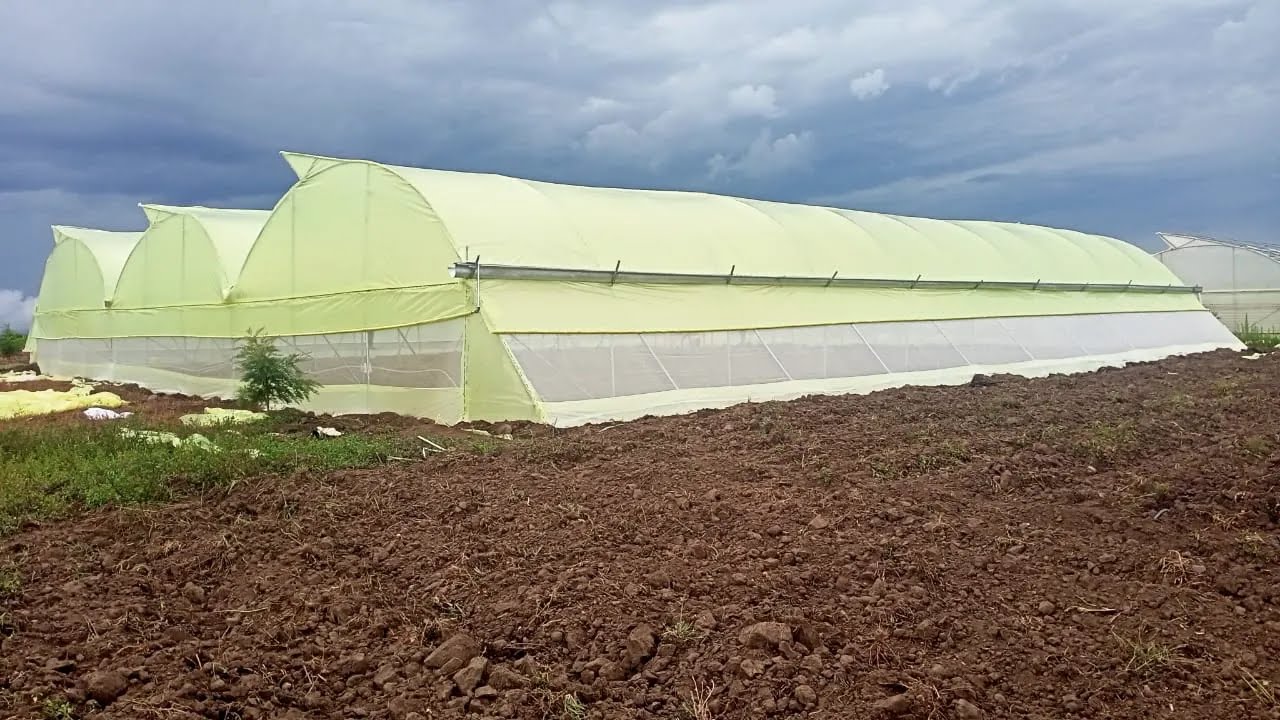
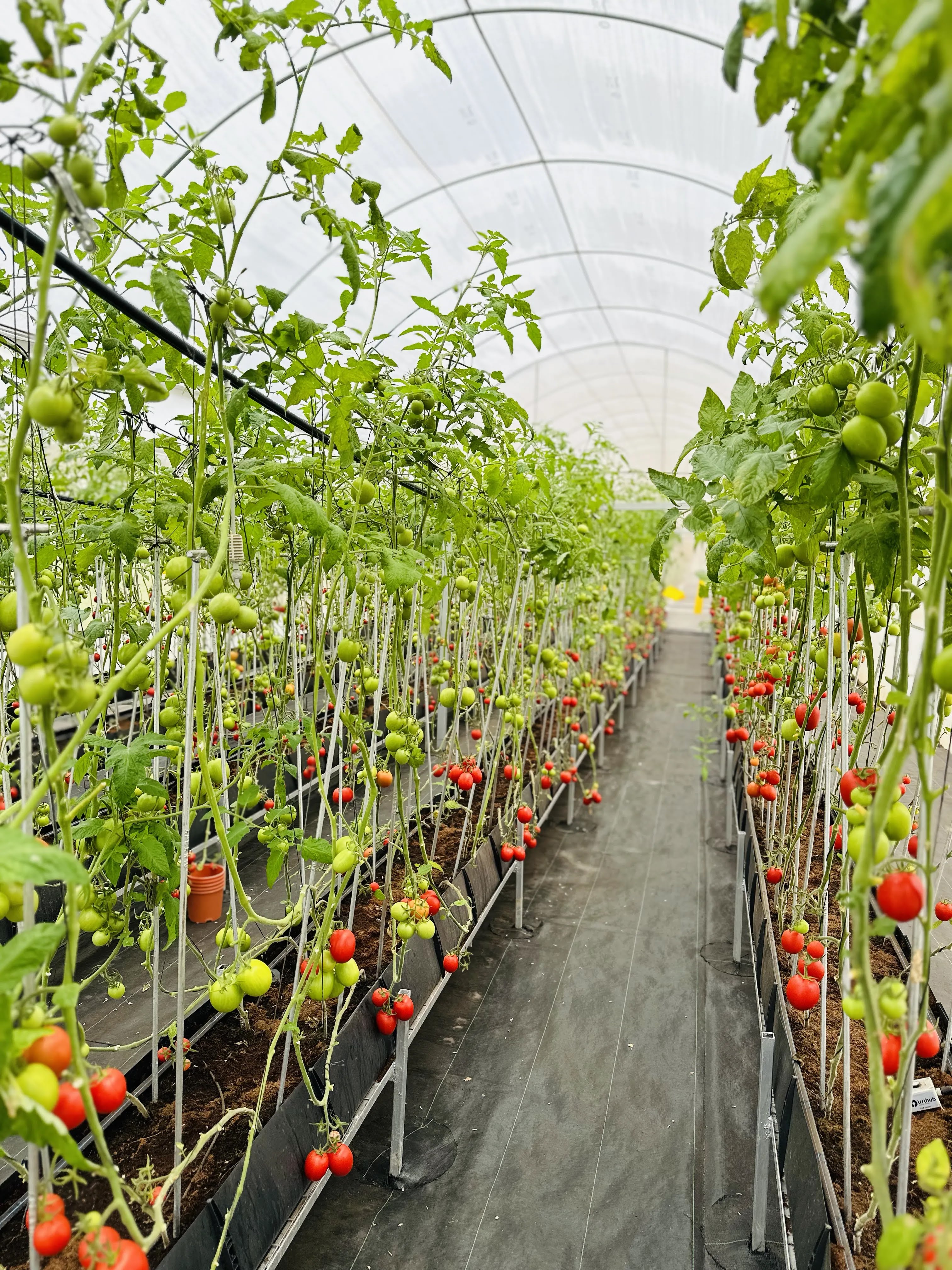
The name describes the structure precisely. "Poly" comes from polyethylene, the UV-treated plastic sheeting that forms the outer skin of the structure. "Tunnel" refers to the shape: a long, arched form made from a series of curved steel hoops set at regular intervals along the length of the structure, giving it the characteristic semi-circular profile.
A polytunnel greenhouse is a tunnel typically made from steel hoops and covered in polyethylene, usually in a semi-circular or elongated shape.
The interior heats up because incoming solar radiation from the sun warms plants, soil, and other things inside the building faster than heat can escape the structure, the classic greenhouse effect.
However, you can control temperature, humidity, and ventilation in a polytunnel greenhouse by equipment fixed in the polytunnel or by manually opening and closing vents at the ends and sides.
The Frame: What Holds It Together
This is the structural backbone of every polytunnel greenhouse. Galvanized steel hoops are set at intervals, typically every two to three meters along the length of the structure, and connected along the top and sides by horizontal purlins that lock the hoops into a rigid whole.
The galvanization process coats the steel in zinc, protecting it against the corrosion that moisture and soil contact would otherwise accelerate over time.
A well-built galvanized steel polytunnel frame is a long-term investment. It can remain structurally sound for 15 to 20 years when maintained properly.
The Polythene Cover: The Working Skin
The polythene cover is the functional heart of the polytunnel greenhouse. It's what creates the protected microclimate inside, and it's the component that will need periodic replacement over the structure's life, typically every four to seven years depending on UV quality and care.
In Kenya, the standard cover for a commercial polytunnel greenhouse is a 200-micron UV-stabilized polyethylene film.
The 200-micron thickness of the film provides the right combination of durability and light transmission for year-round agricultural use. UV stabilization is not optional when it comes to this material. It's the treatment that prevents the film from becoming brittle and degrading rapidly under Kenya's equatorial sun. A non-UV-stabilized cover can fail within a single season.
The curved shape of the polythene cover serves a practical purpose beyond aesthetics: it sheds rainfall efficiently to the sides of the structure rather than allowing it to pool on the roof of the polytunnel greenhouse.
Combined with the fact that a curved surface distributes wind load more evenly than a flat one, the tunnel profile makes the structure meaningfully more resilient to Kenya's weather, particularly the heavy rains of the long and short rain seasons.
Ventilation: The Most Critical Design Element in Kenya
Here's the part of polytunnel greenhouse design that makes the biggest difference in Kenya's climate, and the part that is most often underspecified on cheaper or poorly designed structures: ventilation.
A polytunnel greenhouse without adequate ventilation in a Kenyan midland or lowland location is a trap. The polythene cover does its job too well: it traps heat to the point where internal temperatures on a still, sunny afternoon can climb above 40°C, causing heat stress, flower drop, and direct crop damage.
Managing this internal climate is the number one active management task in greenhouse farming in Kenya.
The solution is a combination of end-wall ventilation and side ventilation. End walls, the vertical panels at each end of the tunnel, should have doors that can be fully opened during the hottest parts of the day to create a through-draft along the length of the structure.
Roll-up side walls, where the lower portion of the polythene skin along the sides can be raised, create cross-ventilation that works alongside the end-wall doors to dramatically reduce internal temperatures.
A well-ventilated polytunnel on a hot afternoon can be 5 to 10°C cooler than a poorly ventilated one. This difference is the line between a productive crop and a stressed one.
If you are a grower in the country’s cooler highlands, you can manage with end-wall ventilation alone for much of the year.
However, in the mid to low altitudes where it's hot almost throughout, your polytunnel greenhouse needs properly designed side ventilation as a non-negotiable feature of the structure.
Small Polytunnel Options for Getting Started
Not every farmer's first polytunnel greenhouse needs to be a full commercial structure. A small polytunnel, covering an 8 by 15-meter footprint or even a smaller configuration, gives a new greenhouse farmer the opportunity to learn the management skills the structure demands, trial crop choices and market connections, and demonstrate returns before committing to a larger investment.
A small polytunnel built on quality materials: galvanized steel frame, 200-micron UV-stabilized cover, proper anchoring, and an integrated drip irrigation system, is a serious farming tool, not a temporary experiment.
Many of Kenya's most successful greenhouse farmers started with a single small polytunnel and expanded progressively as each structure paid for itself.
Original Reliable Greenhouses in Nairobi, Kenya at Irrihub Ke, +254 112 148 880
If you are looking to buy reliable, high-quality greenhouses in Kenya, Irrihub has some nice offers you may consider. We sell greenhouses and other growing solutions as independent units or as complete solutions (kits). The complete greenhouse solutions include:
- A galvanized steel structure
- 200-micron polythene cover (clear or yellow)
- Zig-zag fastening wires to hold the cover against the wind
- Roll up side ventilation with white insect net
- Entry porch
- Full drip irrigation system
- Water tank (size depends on greenhouse tier)
- 2-year warranty on structure and materials
- Optional crop support structure for climbing crops
Final Thoughts
Polytunnels are a common choice for smallholder and medium farms in Kenya due to their flexibility, affordability, and ability to extend the growing season.
Compared to other greenhouse structures, the polytunnel delivers the core benefits of protected farming at a cost that makes sense for a much wider range of farmers.
It is not the only structure worth considering. High tunnel greenhouse systems, lean-to designs, and multi-span commercial configurations each have their place. But for a Kenyan farmer taking their first serious step into protected farming, or for an established farmer adding protected growing capacity to a mixed operation, the polytunnel greenhouse is where the conversation almost always starts, and for good reason.