
ShadeHouse Design Factors That Affect Crop Growth and Yield
Mostfarmers who set up a shade house focus almost entirely on onequestion: What shading percentage should I use? It's a fair question, and theanswer does matter. But here's what doesn't get said often enough: shadingpercentage is just one piece of the puzzle. The shade house design decisionsyou make before you order a single pole or meter of netting will have just asmuch bearing on whether your crops thrive or merely survive inside thatstructure.
Gettingthe shade house design right from the start isn't about being a perfectionist.It's about not rebuilding something expensive because it was pointed the wrongway, or watching yields underperform because airflow was an afterthought.
Theseare the design factors that actually move the needle on crop growth and yield.
Orientation:Which Direction Your Shade House Faces
Thisone surprises a lot of people, but the direction your shade house runs has areal impact on how evenly your crops receive light throughout the day.
Kenya sits very close to theequator, whichmeans the sun travels almost directly overhead rather than sweeping low acrossthe horizon as it does in temperate climates. That said, shade house orientationstill matters, particularly for larger structures.
Ashade house aligned along the east-west axis means the long sides face northand south. As the sun moves from east to west across the sky, light enters andexits along the shorter ends, which can create shadowing variations within thestructure, particularly in the morning and late afternoon.
Thistends to work well for compact or lower-growing crops that don't need tallinternal clearance.
Anorth-south alignment allows light to sweep more evenly across the fullinterior width of the structure during the peak hours of the day, giving eachrow of crops a fairer share of sunlight as the day progresses.
Fortaller crops, longer structures, or where uniform light distribution across thecanopy is a priority, north-south shade house orientation is often the strongerchoice.
Theother orientation factor to consider is wind. Your shade house should bepositioned so the prevailing wind direction runs along the length of thestructure rather than hitting the broadside of the net walls.
Astructure taking full wind pressure on its largest face puts far more strain onthe frame and fixings than one oriented to let airflow pass along it moresmoothly.
InternalHeight and Airflow
Walkinto a shade house that was built too low, and you'll feel it immediately; it'swarm, still, and slightly oppressive. That's not just uncomfortable for theperson working in it; it's a problem for the crops.
Awell-thought-out shade house design has sufficient internal height to allow airto circulate freely. The general recommendation is a minimum roof height of 3to 5 meters. At this height, hot air rises naturally toward the roof andescapes through the net, while cooler air enters lower down through the walls.
Astructure that's too low traps warm air near the crop canopy, increasing heatstress, humidity buildup, and the risk of fungal disease.
Tallershade houses breathe better, and crops in well-ventilated shade house designsconsistently outperform those in poorly ventilated ones, even at identicalshading percentages.
ShadeDensity: Matching the Net to the Crop
Oneof the shade house design considerations that most farmers do think about isthe density, but it's worth being precise about because getting it wrong ineither direction costs you yield.
Toolittle shade leaves your crops exposed to more heat and UV than they canhandle. Too much shade starves them of the light they need for photosynthesis,leading to weak, leggy growth and disappointing yields.
Shadenets are available in several densities, typically 50%, 60%, 70%, and 90%. As ageneral guide:
- 50–60% suits most vegetables, herbs, and flowers that need bright but diffused light
- 70–75% works well for more shade-sensitive crops and seedlings in nursery setups
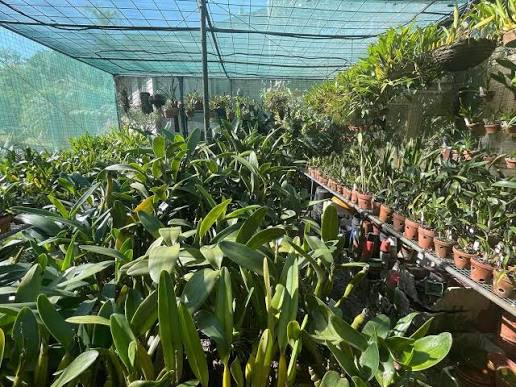
- 90% is reserved for high-shade applications like ornamentals, ferns, and certain specialized operations, such as black soldier fly farming
Theright choice is not just about the crop type, but your location as well. Ashade house design for a farm in a hot, high-intensity zone like the lowlandareas will likely require higher shade density than the same crop grown in thecooler highlands, where less filtering is needed.
ShadeHouse Layout and Bed Spacing
Howyou arrange the growing area inside the structure matters for both cropperformance and practical farm management.
Bedsshould be laid out to allow comfortable access from both sides without steppingon the growing area. This keeps soil compaction low in the root zone, directlysupporting healthy root development and optimal water uptake.
Bedwidths of around one meter allow a farmer to reach the center of the bed fromeither side without stretching awkwardly.
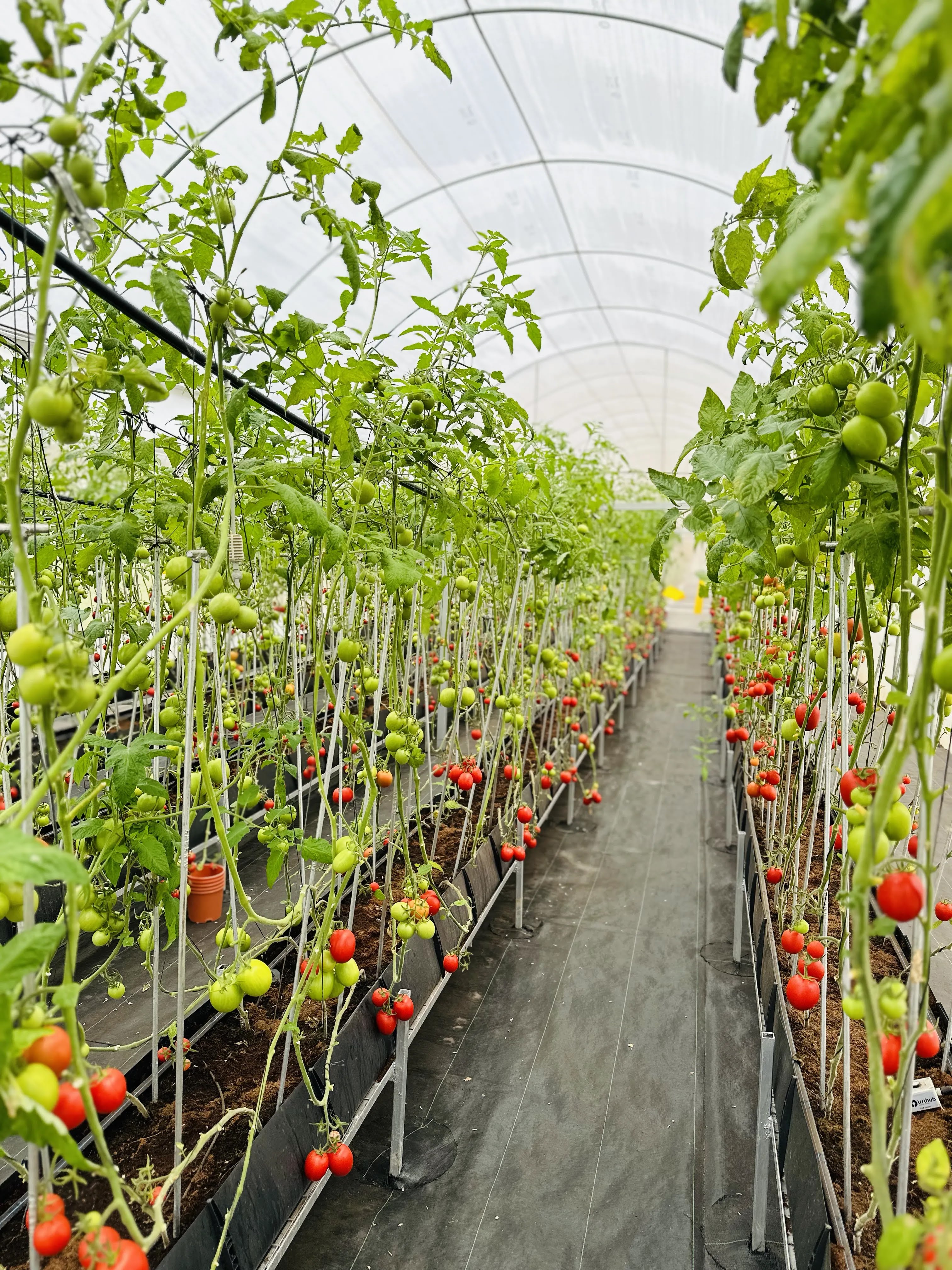
Forirrigated shade houses, the layout should also account for the drip irrigation line placement. Ideally, the bed layout and the irrigationdesign are planned together from the start rather than adapting one to fit theother after the fact.
Drainage:The Factor Nobody Talks About Until It's Too Late
Standinside a shade house after heavy rain and look down at the floor. If water ispooling between beds, you have a drainage problem, and a drainage problem in ashade house is a fast route to root diseases, waterlogged soil, and lost crops.
Goodshade house design considers the floor gradient before construction begins. Agentle slope across the floor area allows water to drain toward the sides andout of the structure rather than pooling in the middle.
Evena slight gradient of 1 to 2 per cent makes a significant difference in howquickly the growing area dries after rain.
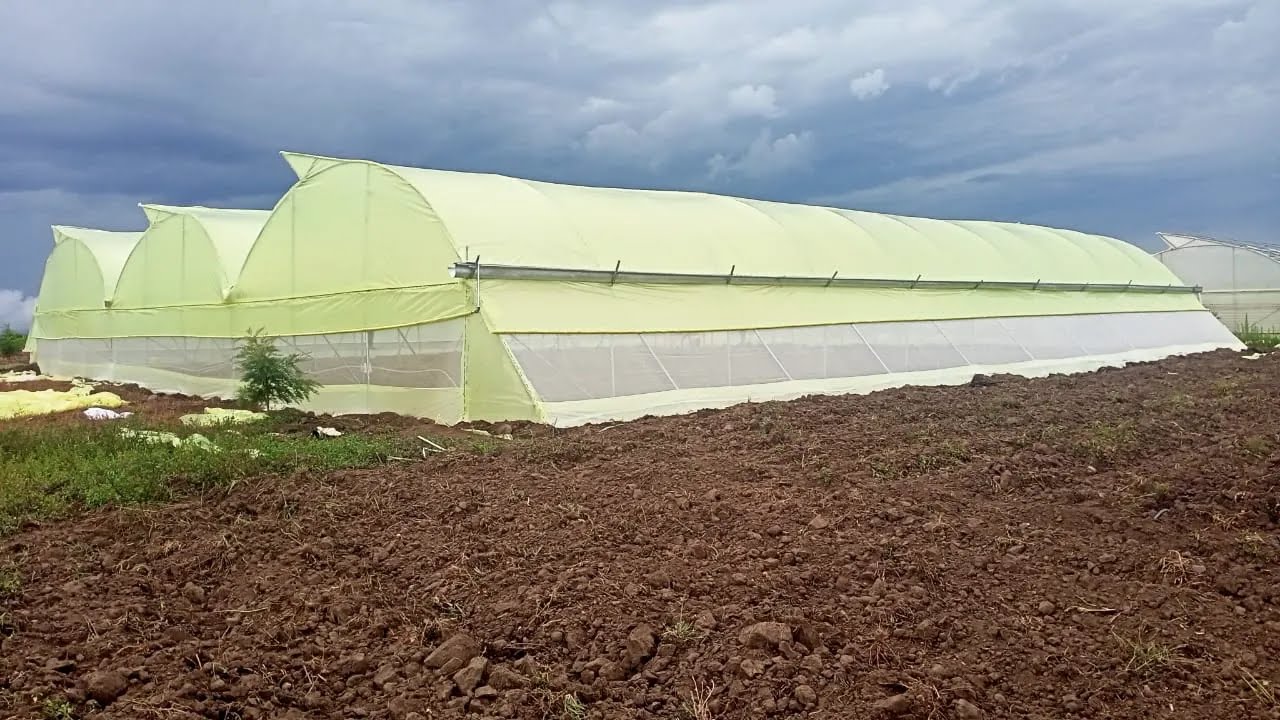
Theroof design also plays a role here. A tunnel or arched roof sheds rainwater offto the sides efficiently. A flat-roofed design holds water on the net surface,adding weight to the structure and allowing water to drip in concentratedstreams onto the crops below rather than dispersing it evenly.
IrrigationIntegration
Ashade house without irrigation is a missed opportunity. Most crops grown undershade benefit enormously from dripirrigation.
Itdelivers water precisely to the root zone, keeps foliage dry (which reducesdisease risk), and allows the farmer to manage moisture levels with much morecontrol than surface flooding allows.
OriginalReliable Shade Houses in Nairobi, Kenya at Irrihub Ke, +254 112 148 880
Ifyou are looking to buy reliable, high-quality shade houses in Kenya, Irrihubhas nice offers you may consider. We sell shade housesand other growingsolutionsas independent units or as complete solutions (kits). The complete shade house solutionsinclude:
· Fullgalvanized steel shade house structure
· UV-treatedshade net
· Entryporch
· Completedrip irrigation system
· Qualitywater tank (size varies by tier)
· Professionalinstallation by IrriHub trained technicians
· Farmertraining on shade house management and irrigation operation
· After-salessupport from the IrriHub team
· 2-yearwarranty on structure and materials
BottomLine on Shade House Design
Doneright, shade house design is not a checklist. It's a set of interconnecteddecisions that work together to create the conditions your crops need toproduce at their best.
Makegood decisions at the design stage, and your shade house pays for itself seasonafter season.
Wehope this guide helps you out. If you have any questions or need anyclarifications about the shade house design you’re considering, don’t hesitateto contact us or book a site visit.