.jpg)
NurseryShade Houses: Creating Ideal Conditions for Seedling Production
Askany experienced farmer what the most critical stage of crop production is, andmany will give you the same answer: the seedling stage. And this is wherenursery shade houses come in handy.
Getit right, and you're transplanting vigorous, healthy plants that hit the groundrunning. Get it wrong, and you're dealing with weak, stressed seedlings thatstruggle to establish, or worse, ones that don't make it at all.
InKenya's hot and often unpredictable climate, newly planted seedlings faceimmediate threats: intense sun, drying winds, heat stress, and low soilmoisture. Without protection, mortality rates in unprotected conditions canexceed 50 to 70% in the first few months.
That'san enormous risk to carry into every planting cycle. A nursery shade houseeliminates most of it.
Let’sdiscuss that in detail.
WhySeedlings Need a Different Environment
Aseedling is not a smaller version of a mature plant. It is a plant at its mostvulnerable: roots that are shallow and still developing, leaves that are softand highly sensitive to environmental stress, and a water management systemthat hasn't yet built the reserves an established plant can draw on.
Youngseedlings are not strong enough to resist extreme heat, which causes excessivewater loss through evaporation.
Duringdry or sunny periods, the soil surface dries quickly, and less growth ispossible because seedlings cannot access water through their weak, shallow, andunderdeveloped roots. Frequent irrigation is not enough on its own because theeffect of direct sun on evaporation is simply too high.
Theleaves of seedlings are also soft and wilt easily when exposed to harshsunlight.
Anursery shade house addresses all of this in one move. It filterssunlight to a gentler intensity, reduces wind speed across the seedling beds,moderates temperature swings, and creates a more humid microclimate thatsupports consistent moisture retention.
Theresult is a growing environment where seedlings can establish properly beforebeing asked to face the full conditions of the open field or production shadehouse.
TheRight Shade Density for a Nursery
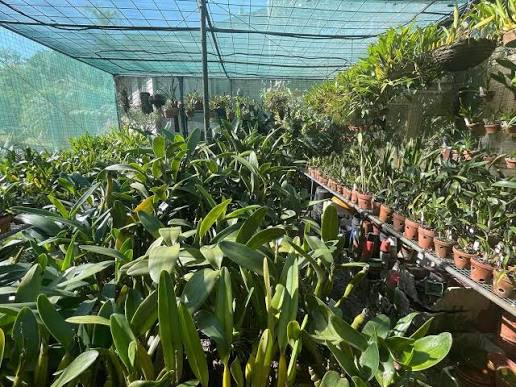
Shadedensity selection matters more in a nursery than almost anywhere else. Shadedensities of 80 to 90% are best suited for nurseries and sensitive plants,while 30 to 40% is more appropriate for light crops and established seedlings.
Incorrectshade selection can either reduce plant growth or cause overheating, makingthis one of the most consequential decisions in setting up a shade structure.
Formost vegetable seedlings, including tomatoes, capsicum, kale, spinach, and onions,a 70 to 75% shade net hits the right balance. It reduces light intensity enoughto protect tender growth without dropping it so low that seedlings becomeetiolated — that stretched, pale, weakly stemmed condition that happens whenplants don't get enough light and reach desperately upward trying to find it.
Etiolatedseedlings transplant poorly and are slow to establish.
Fortree seedlings and certain ornamentals being propagated for sale, a highershade of up to 90% is appropriate, particularly in the early weeks ofgermination when the seedlings are most fragile.
StructureRequirements for a Nursery Shade House
Anursery shade house doesn't need to be a large or complex structure. What itneeds to be is well-built, correctly sized for your production volume, anddesigned with airflow in mind.
Theroof should be at a height of 3 to 5 meters to provide ample room forventilation and comfortable movement inside the structure.
Thisheight allows warm air to rise and escape through the net rather than buildingup around the seedling level. It also allows for the installation of mistingsystems if needed, and makes the structure practical to work in withoutcrouching.
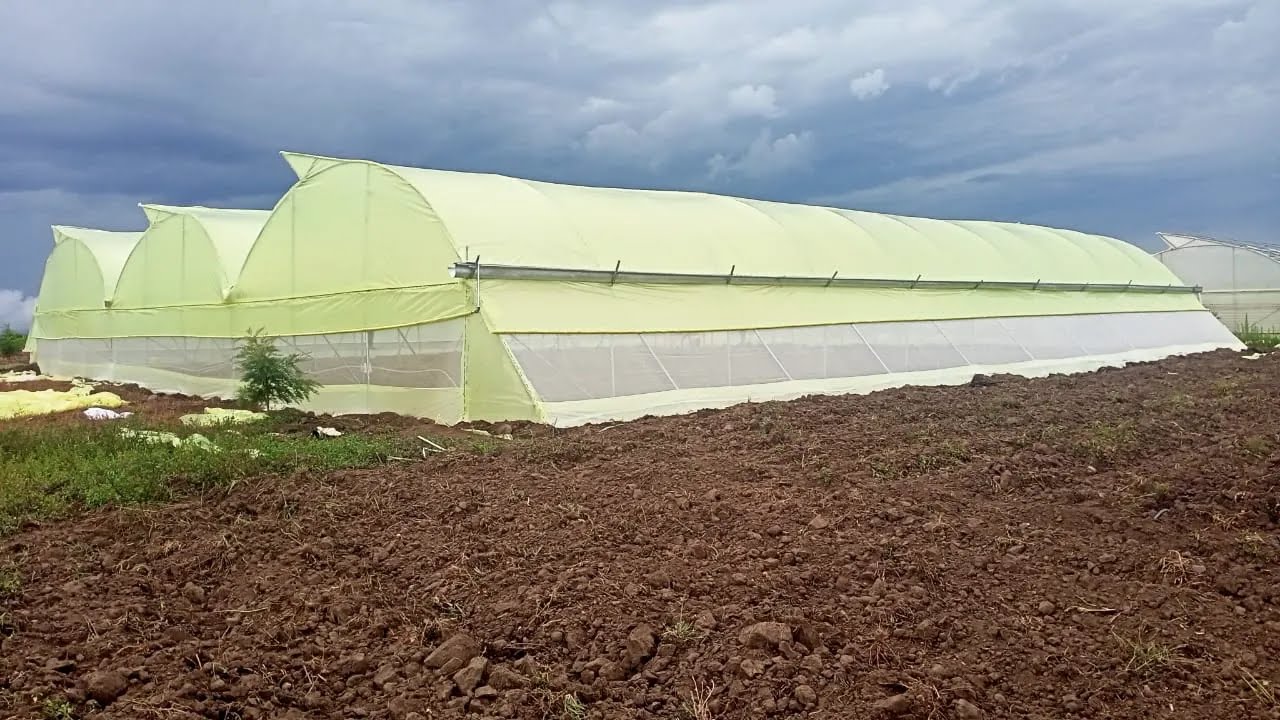
Thenursery shade house should be enclosed on all sides with shade netting, not just the roof. This protectsseedlings from wind, which causes moisture stress and physical damage to softyoung growth.
Sidewalls should be tall enough to prevent wind from undercutting the structure atground level.
Thebed layout inside the structure should allow clear access from both sides. Bedsaround 1 to 1.2 meters wide are standard. Wider beds make it difficult to reachthe center without stepping on the growing surface, which compacts the growingmedium and damages roots near the edge.
ManagingIrrigation in the Nursery
Seedlingsneed moisture consistency above almost everything else. Even short dry spellsat the seedling stage can cause significant stress that sets back growth andreduces transplant success rates.
Butwaterlogging is equally damaging, particularly in a structure with reducedevaporation.
Afine mist or drip system is ideal for nursery irrigation.Overhead misting delivers water gently without dislodging seeds or damaging thefragile stems of young seedlings, and it raises humidity slightly around theplant, helpful in particularly hot or dry periods.
Drip lines work well once seedlings areestablished in trays or pots.
Wateringshould continue every morning and evening except during rainy periods, and youmust keep the growing medium consistently moist but never waterlogged.
Atthe germination stage, consider having a light mulch of dry grass over the seedbed,which helps retain moisture and moderate soil temperature. However, this mustbe removed promptly once germination begins, so seedlings aren't shaded outbefore they've even opened their first true leaves.
HardeningOff: The Step Most Farmers Skip
Here'swhere a surprising number of nursery operations fall short, not in growing theseedlings, but in preparing them for the move out of the plant nursery shadehouse.
Seedlingsraised in a protected nursery environment are adapted to that environment. Putthem directly into a production shade house or open field, and they experiencea shock: more light, more wind, more temperature variation than they'veencountered before.
Thisstress causes transplant setback and can significantly reduce the rates of earlyestablishment.
Thecorrect approach is to harden off seedlings by gradually reducing the frequencyof watering and progressively removing or opening shade in the days beforetransplanting. This allows seedlings to adapt incrementally to field conditionsbefore the full transition.
Aweek of hardening off will go a long way in making a measurable difference tohow quickly they establish after transplanting.
OriginalReliable Shade Houses in Nairobi, Kenya at Irrihub Ke, +254 112 148 880
Ifyou are looking to buy reliable, high-quality shade houses in Kenya, Irrihubhas nice offers you may consider. We sell shade housesand other growingsolutionsas independent units or as complete solutions (kits). The complete shade house solutionsinclude:
· Fullgalvanized steel shade house structure
· UV-treatedshade net
· Entryporch
· Completedrip irrigation system
· Qualitywater tank (size varies by tier)
· Professionalinstallation by IrriHub-trained technicians
· Farmertraining on shade house management and irrigation operation
· After-salessupport from the IrriHub team
· 2-yearwarranty on structure and materials
Whena Nursery Shade House Pays for Itself
Fora farmer who regularly raises their own seedlings, the calculation isstraightforward. Seedling losses in an unprotected nursery are common and oftensignificant, particularly in the hot, dry months when Kenya's sun is at itsmost intense.
Anursery shade house that brings mortality rates from 40 or 50% down to under10% is not a luxury. It's an investment that pays back quickly, in everyplanting cycle, for as long as it stands.
Forcommercial nursery operators who produce and sell seedlings to other farmers,the shade house is simply the foundation of the business. Consistent, healthyseedlings are the product. The nursery shade house is what makes them possible.