Solar Deep Well Pumps Explained: Borehole Applications and Key Considerations
Boreholes provide access to clean, reliable water essential for household uses and productive farming, especially in areas where surface water is scarce. However, extracting this water efficiently requires the right technology. This is where a solar deep well pump comes in.
Traditionally, many farmers with boreholes relied on diesel-powered or grid-connected pumps to bring that water to the surface. However, this method can be costly, especially in cases where the daily demand for water is high.
A solar deep well pump provides a reliable alternative that is far cheaper to use. It is also perfectly suited to remote locations where grid power is either unavailable or unreliable. A solar water pump for deep wells offers a powerful, off-grid solution for drawing water from deep underground sources.
This article explains all you need to know about a solar deep well pump.
What Is a Solar Deep Well Pump
This is a type of submersible pump powered by solar energy and designed to operate in deep water sources, such as boreholes and wells.
Unlike surface water pumps that pump water from shallow sources like rivers and sit above ground, solar deep well pumps are installed below the water level and push water up to the surface.
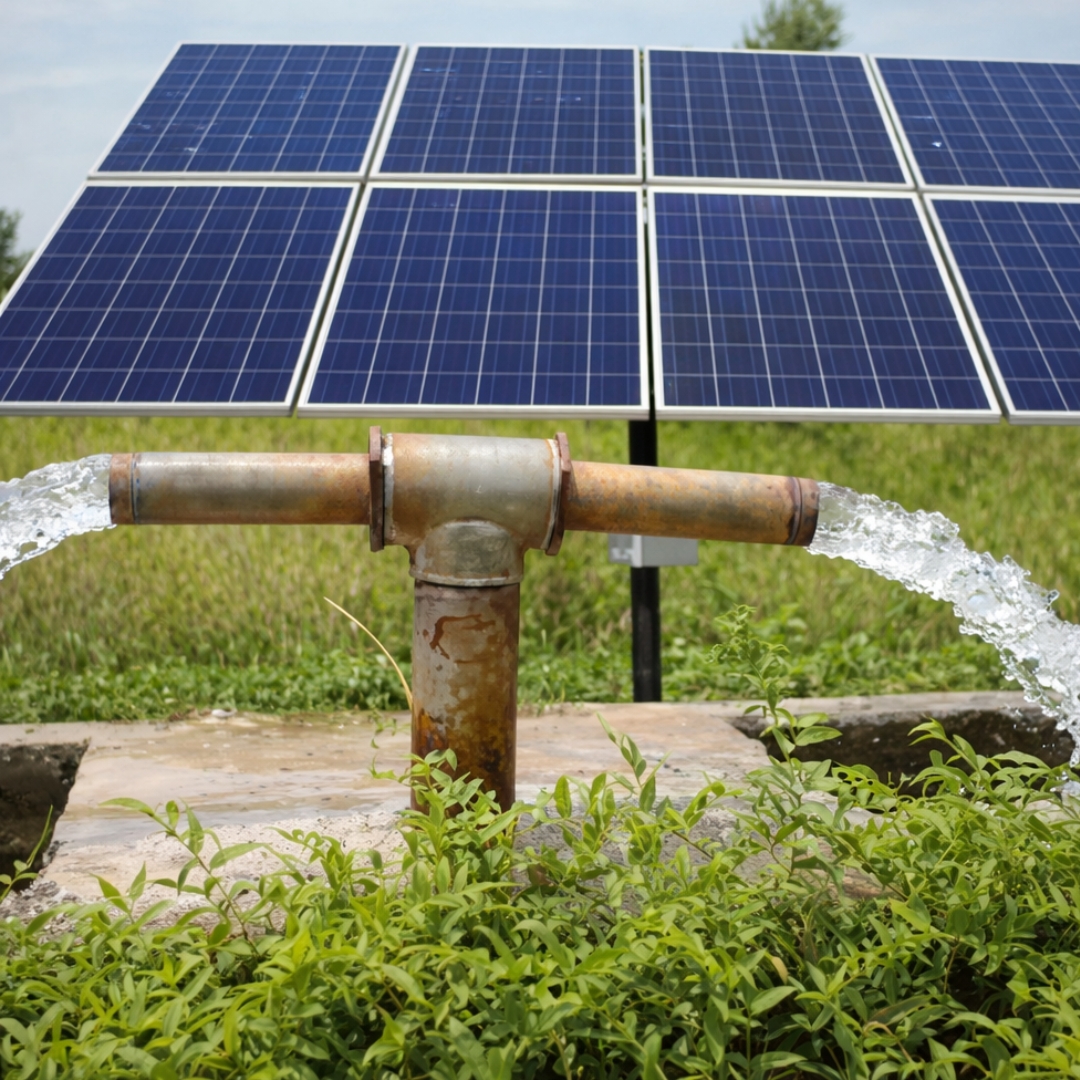
A typical solar water well pump system includes solar panels to generate electricity, a submersible pump placed deep inside the borehole, a controller (often MPPT) to regulate power, and pipes and storage tanks for water delivery.
How Solar Deep Well Pumps Work
A solar water well pump system operates by converting sunlight into electricity, which powers the pump. Let’s break it down into the steps:
- Solar panels capture sunlight and generate DC electricity
- The controller regulates voltage and optimizes performance
- The pump motor dries water upward through pipes
- Water is delivered to storage tanks
Why Solar Deep Well Pumps Are Ideal for Boreholes
Boreholes are often the most reliable water source in dry or semi-arid regions, but they require significant energy to extract water from depth. Solar deep well pumps are designed to handle this challenge efficiently.
Since the pump works by pushing water upward while submerged in the water rather than pulling it, it is more efficient for deep applications.
But that is just one upside. Let’s look at the key advantages of solar deep well pumps at length.
They are able to handle deep water levels
These pumps are engineered to lift water from depths of tens or even hundreds of meters, making them suitable for most borehole conditions.
They ensure a consistent water supply
With adequate sunlight, a solar water pump for deep well can provide a steady flow of water throughout the day.
They boast low operating costs
The only major cost associated with using a solar water pump for deep well is the initial purchase and installation cost. Once installed, solar systems eliminate the need for fuel or electricity bills.
They are durable, with a long lifespan
Submersible pumps are protected within the borehole in which you submerge them. This reduces their exposure to external damage.
Common Applications of Solar Deep Well Pumps
A solar pump for deep well can be used for a wide range of applications, depending on the water needs of the user. In Kenya, these pumps are widely used for the following applications.
Irrigation systems
Farmers use these pumps as a reliable source of water for drip irrigation, especially during dry seasons or in arid and semi-arid areas.
Livestock watering
For farmers who keep livestock, a consistent water supply is essential to the animals’ very survival.
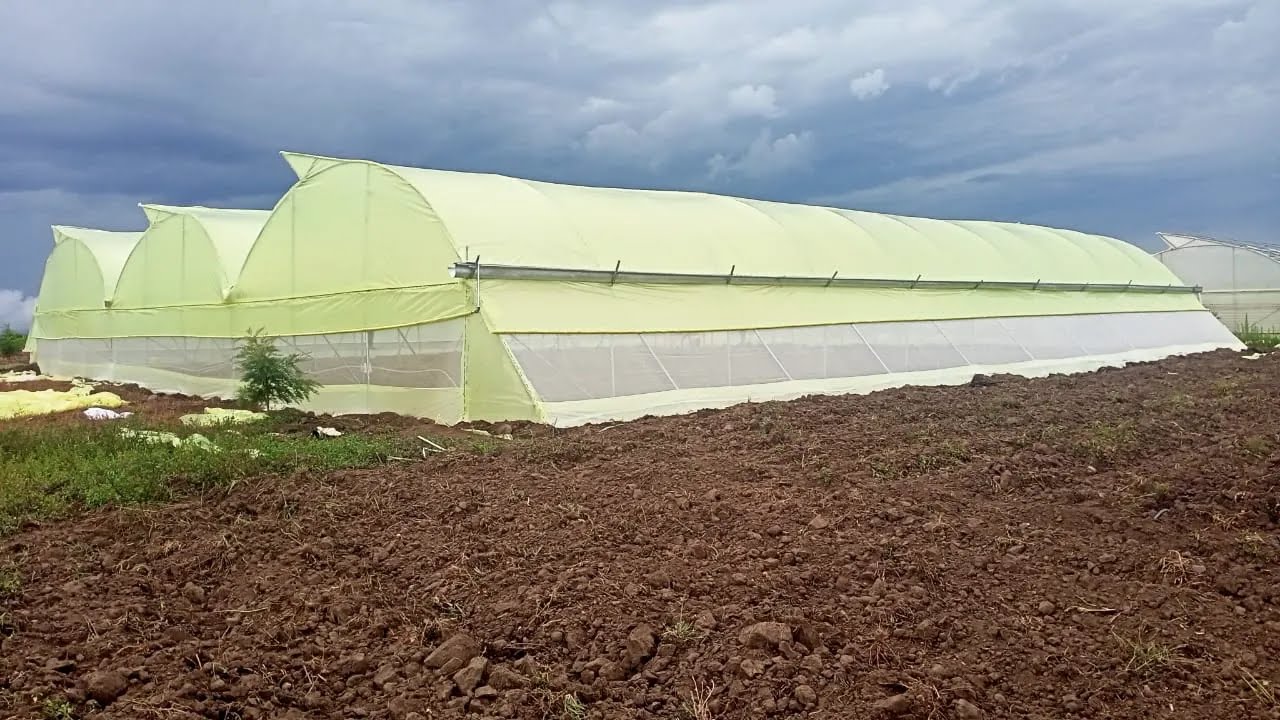
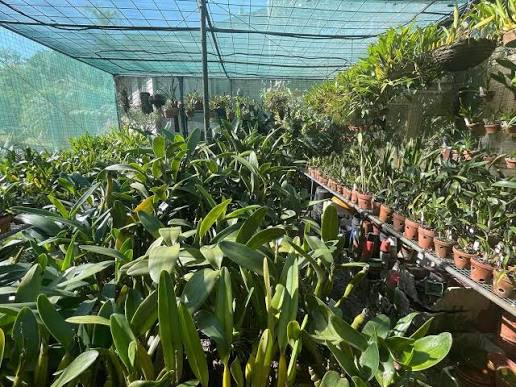
Greenhouse and horticulture farming
If you practice farming in controlled environments, you want to ensure you have dependable water access for your plants for optimal growth.
Water storage systems
Some common water storage systems that farmers use in Kenya include tanks and lined dams. If you have one of these, you need a suitable pump to fill them with water for use later in the day or during low sunlight periods when your solar deep well pump cannot run.
Key Factors to Consider Before Choosing a Solar Deep Well Pump
Selecting the right pump for your needs requires careful evaluation of the following factors:
1. Borehole depth (total head) – Pay attention to how deep the borehole is. The deeper the borehole, the more powerful the pump must be to push water out of it.
2. Flow rate requirements – The flow rate is about how much water the pump can push out per unit time. The more water you need per hour or per day, the more powerful you need your pump to be.
3. Solar panel capacity – You want a system that can generate enough power to meet your daily pumping needs.
4. Water quality – Sand and debris in the water can affect the pump performance and lifespan. As a rule of thumb, we recommend a more powerful pump for water characterized by these sediments.
Original Reliable Solar Water Pumps in Nairobi, Kenya at Irrihub Ke, +254 112 148 880
If you are looking to buy a reliable solar water pump in Kenya, Irrihub has some nice offers you may consider. We sell solar pumps as independent units or as complete solutions (kits). The complete solutions include:
- Submersible brushless pump
- 600W solar panels
- Delivery pipe 25MM
- 70M head
- Flow rate of 2300 L/hr.
- Solar panels
- Pipes and cables
- MPPT controller
- Full installation
Final Thoughts on Solar Deep Well Pumps
A solar deep well pump represents one of the most effective ways to access and utilize borehole water for farming. It combines solar energy with efficient pumping technology, resulting in a system that guarantees a consistent water supply for farmers while reducing operational costs.
Whether you want water for irrigation, livestock use, greenhouse farming, or domestic use, investing in a solar deep well water pump can go a long way in cutting your costs and improving your productivity by securing a reliable water supply for the long haul.
We hope this guide helps you out.