
How To Choose the Right Dan Liner in Kenya
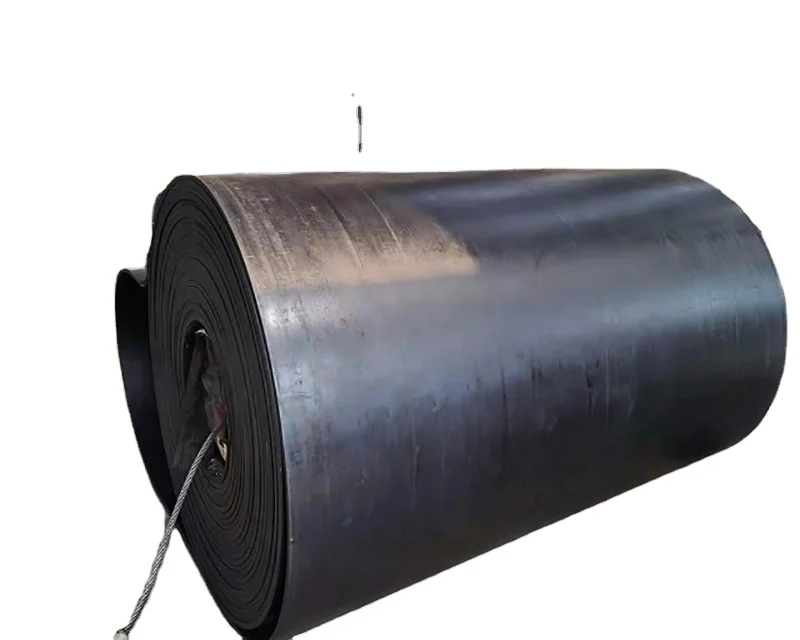
Dam liners play a vital role as far as ensuring the longevity and efficiency of water storage solutions. However, not all dam liners are created equal. Knowing how to choose the right dam liner in Kenya can help you get an investment piece at the best prices on the market.
Ideally, you want to steer clear of materials that are too thin, wrong for your intended supplication, or of poor quality. Such dam liners for sale often experience seepage or premature failure, leading to project failure and financial losses.
In this guide, we walk you through the fundamentals of selecting the right dam liner in Kenya, taking into account factors such as material, thickness, soil conditions, budget, and long-term use.
Read along.
What Makes a Good Dam Liner?
Let’s look at some material factors you should consider to qualify a dam liner as good or otherwise.
Overall, a good dam liner should be durable, resistant to the sun’s UV rays, and made from virgin rather than recycled materials. An excellent example of a dam liner material that checks all these boxes is high-density polyethylene (HDPE), making it widely recommended.
HDPE dam liners are durable, chemical-resistant, UV-resistant, with the ability to withstand various other weather conditions for decades.
Its puncture and tear resistance helps keep it sound against rough dam bases with small rocks, rough soil, and debris. Their resilience also keeps them from getting torn by animal activity, increasing their risk of leaks.
Other liners, such as PVC and lower-density plastic dam liners, are lighter and more flexible. These characteristics can help make installation easier, especially suited for small ponds with smooth foundations. These plastic dam liners are also ideal for decorative water pans.
How To Choose the Right Dam Liner Thickness for Your Project
Thickness or gauge is a critical aspect when choosing a dam liner for your project needs. Thickness matters because it directly determines the strength and resistance to tear and puncture, essentially impacting how your dam liner will hold up to water pressure and prevent loss.
Thicker liners are stronger and will therefore withstand significant amounts of water pressure. They also hold up well to environmental stress and rougher soils.
Thinner liners are typically cheaper upfront, but carry a higher risk of tearing, leaks, and early failure, especially on rougher soils, rocky foundations, or heavy usage.
Here is a decision matrix that should simplify when to choose which thickness for your dam lining material.
| Thickness (gauge in mm) | Recommended use cases |
| Light material, e.g, 0.5 mm | Choose this for small, limited-use water pans, light-duty ponds with smooth foundations, and minimal stress. |
| Medium, e.g., 0.75 mm | Choose this for small to medium farm dams, fish ponds, moderate water storage needs, with moderate soil stress. |
| Heavy-duty, e.g., 1.0 mm and above. | This is ideal for large dams, irrigation reservoirs, uneven or rocky soil, storage, and heavy-duty or commercial use. |
Other Factors to Consider When Choosing a Dam Liner
The thickness of a dam liner material is just one of the factors to consider when choosing the right dam liner for your water conservation project. This section explains the other pertinent factors that you need to keep in mind when exploring dam liners for sale.
UV treatment and the quality of that material
Other than thickness, you need to consider that the dam liner you want to buy is made from virgin-grade, non-recycled material. Recycled or low-quality plastic dam liners tend to fail sooner.
Some local dam liner suppliers like Irrihub highlight virgin material as essential for long-term durability. We recommend working with such reputable suppliers to ensure you get the right thing.
Similarly, choosing HDPE dam liners that are UV-stabilized ensures that your dam will remain resilient to sun damage common with most plastics.
3. Condition of the soil and terrain of the land
Dams are mostly constructed on farms, and are therefore characterized by such conditions as rough soil textures or rocky terrains that can affect your dam liner.
But there is a workaround for any terrain or soil conditions. If your dam has rocky, coarse, or uneven soil, go for a thicker and more robust liner. Such as designed to resist punctures and soil movement.
However, if the dam is constructed on smooth, well-prepared soil or clay ground, a medium gauge dam lining material will do. Still, pay attention to UV stability and the quality of the material.
4. Intended use
Dams are typically constructed for water storage, fish farming, irrigation, or domestic water harvesting.
If yours is intended for long-term water harvesting, irrigation, or commercial purposes, we recommend HDPE dam liners with thick materials. also, ensure you have professionals like those over at Irrihub to install it properly.
If your dam will be used as a small fish pond, consider a lighter material for your dam liner of choice.
For water for domestic use or livestock watering, we recommend prioritizing chemical stability over anything else to avoid contamination. HDPE dam liners typically excel in this regard.
Final Thoughts
Choosing the right dam liner for your project is about balancing the thickness and quality of the material, soil conditions, and the intended use, rather than just the price per square meter.
HDPE dam liners often stand out by checking most of the boxes involved when choosing a dam liner in Kenya. However, other plastic dam liners can suffice under certain conditions, as we have explained in this guide.
We hope this guide helps you out. Let us know your thoughts in the comments. If you have any questions, don’t hesitate to contact Irrihub for advice.