
Dam Liner Prices in Kenya: Full 2025 Cost Breakdown Guide
Changing rainfall patterns and drought often make it challenging for fish farmers, farmers, and ranchers to plan or run their operations. This is why most communities construct dams or water pans to address the water problem.
Rainwater harvested in a dam can quickly seep into the soil, leading to water losses. This is why a dam liner is such a critical component when investing in a dam or water harvesting pond.
Understanding dam liner prices is crucial for effective planning and budgeting for this investment. In this article, we take a comprehensive look at dam liner prices in Kenya to give you a full 2025 cost breakdown guide to help you in this endeavor.
First Things First, What Is a Dam Liner?
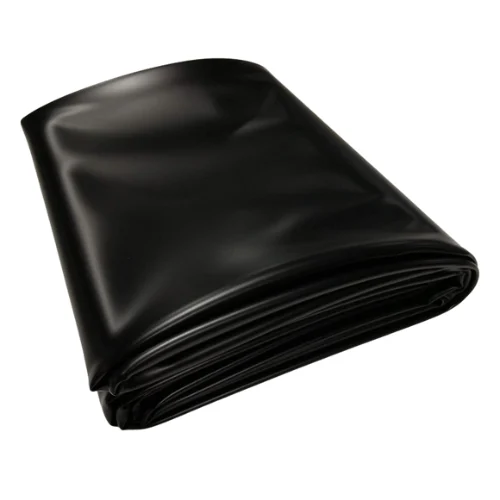
A dam liner is an impermeable geomembrane sheet designed to create a watertight barrier within an excavated water pan or dam.
This durable sheet is typically made of High-Density Polyethylene (HDPE) or PVC material and is laid out on the base of the dam to seal it and make it watertight.
Earth dam liners for sale are crucial for excavated dams to work properly, as they prevent water from seeping into the soil. Without a quality earth dam liner, you can lose a significant portion of stored water to seepage, especially in loamy or sandy soils.
Current Market Prices in Kenya
While dam liner prices vary significantly across different suppliers, some standard price ranges apply across the board. Also note that your dam liner roll size, order volume, and delivery location significantly impact your overall dam liners cost.
The table below shows the typical dam liner material prices in Kenya, 2025
| Material / Thickness | Typical Price (in KES) |
| HDPE 0.5 mm | 195 per square meter |
| HDPE 0.75 mm | 280 per square meter |
| HDPE 1.0 mm | 380 per square meter |
Full Cost Components to Budget For
When budgeting for a dam or pond, the price per square meter is an excellent starting point, but it is not everything. Other predictable costs exist and will impact the total cost of your installation. Here is a look at these costs:
1. Welding or seaming cost
Many Kenyan suppliers charge a small additional fee if your dam liner requires welding or seam joining, as this typically involves extra professional work. For example, you can expect to pay around KES 25 per square meter for welding when installing your dam liner.
2. Installation cost
Professional installation is crucial to ensure you make the most of your investment. This ensures the proper welding of seams and the secure anchoring of the liner.
If you hire a separate contractor to install your dam liner, you can expect extra charges to drive up your dam liner’s cost.
3. Ground preparation and excavation
Proper installation of a liner involves removing plant roots, debris, and stones before laying out the sheet. This is especially crucial for earth dams or rocky terrains, where removing rocks and other materials helps smooth the base.
4. Transport and logistics
Remote rural farms may incur delivery charges, which vary depending on distance from the supplier depot. This cost will inevitably impact the final HDPE dam liner price.
5. Additional protective measures
Using a geotextile fabric or sand layer under the liner is usually highly recommended for rocky soils. This layer adds cost but provides crucial protection against punctures, which could be far more costly.
Your installation will also often require edge anchoring to stop the plastic dam liner from shifting, pulling up, or blowing away due to wind, water pressure, or ground movement, ensuring the liner stays in place, maintains a watertight seal, and prevents leaks and seepage.
When seeking a plastic dam liner for sale, always factor in all these costs as they invariably impact the total dam liner price.
What Affects Dam Liner Prices in Kenya
Various factors other than the material thickness and quality or brand may cause variation in the dam liner price. Here are some key factors affecting dam liner prices that you should be aware of.
- Soil and terrain type. Whether the dam is situated in a soft murram or rocky soil will determine the need for a protective underlay or a heavier liner. Naturally, either will inflate the HDPE dam liner price you pay.
- Intended use. A small water pan can use a thinner and therefore cheaper dam liner. This is as opposed to a large irrigation dam or fish pond requiring a more expensive heavy-duty installation.
- Project size. Bulk orders are often cheaper per square meter, which can save you money.
- Urgency or time of the year. Rainy seasons might increase demand for dams, especially among farmers to harvest the free water. This increased demand is likely to affect the supply and drive up the cost of dam lining for sale.
- Supplier reputation. Reputable suppliers like Irrihub are likely to offer liners that are virgin-grade HDPE, UV-treated, and properly certified. Such properties come at a cost that is mirrored in the final HDPE dam liner price but is rewarded by long-term value.
Parting Shot
Dam liner prices in Kenya can vary between suppliers. Getting yours from a reputable company like Irrihub will ensure you get genuine, high-quality, UV-stabilized dam liners. Cheap, substandard liners will often degrade quickly under the fluctuating weather conditions in Kenya, leading to permanent losses through premature failure and leaks.
We hope this guide helps you make the right investment and save money and water. Feel free to share your thoughts with us in the comments.