.jpg)
Vertical Hydroponics vs Traditional Vertical Gardens for Kenyan Growers
If you follow agricultural trends in Kenya, you should have come across vertical hydroponics, vertical gardens, or both. While both vertical hydroponics and vertical gardens are vertical growing systems, they are not the same.
Understanding the difference between vertical hydroponics and vertical gardens can help you make a more informed and gainful decision when investing in a space-saving growing method. This is particularly so if you are a smallholder farmer or urban grower.
In this article, we discuss vertical hydroponics vs traditional vertical gardens to help you arrive at the most practical option for your needs.
What To Know About Vertical Hydroponics
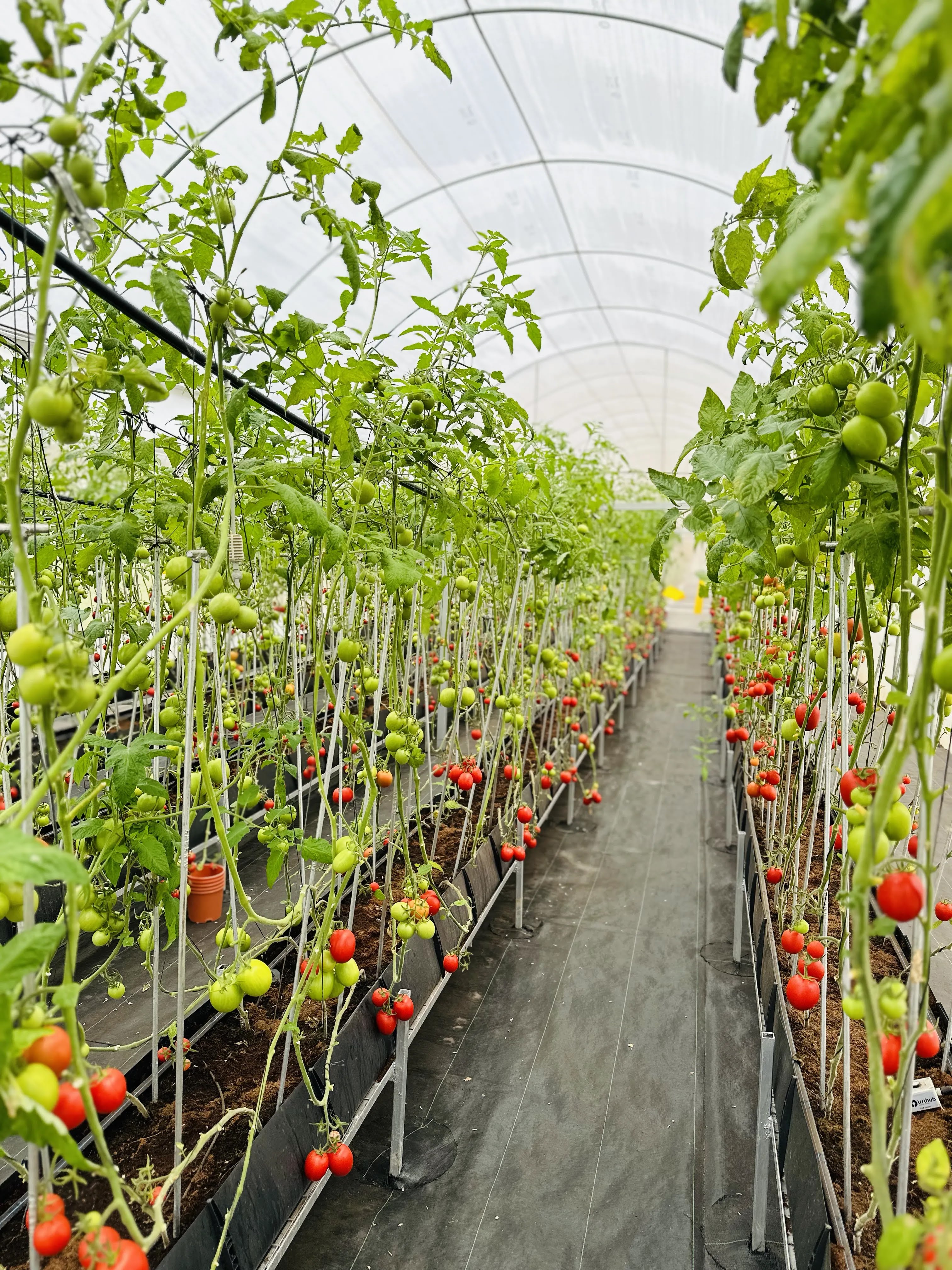
Vertical hydroponics is a method of growing plants upward in stacked or wall-mounted systems without soil. Instead, plants receive nutrients through a water-based solution delivered directly to their roots.
A typical hydroponic wall garden includes vertical pipes or channels, a nutrient reservoir, pumps and timers, water distribution tubing, and a stable power supply.
In this vertical growing system, plants sit in net cups, and roots are suspended in flowing or misted nutrient solution. Because nutrients are precisely delivered, plant growth can be fast and uniform under controlled conditions.
However, vertical hydroponics requires careful nutrient balancing, reliable electricity, clean water, and frequent system monitoring to succeed.
What To Know About Traditional Vertical Gardens
Vertical gardens use soil or substrate as the growing medium for plants. Instead of a nutrient solution, plants grow in the soil or substrate inside structured planters arranged vertically.
Broadly, vertical garden systems can include wall-mounted modular planters, freestanding vertical stacks, tiered growing beds, and drip-irrigated vertical vegetable garden structures.
Unlike hydroponics, these systems do not depend on pumps and precise nutrient chemistry, as you can irrigate them manually, using drip irrigation, or passively. Their strength lies in their structural simplicity and resilience.
Vertical Hydroponics Vs Vertical Gardens Side-by-Side Comparison
We now know that vertical hydroponics uses a water medium to distribute nutrients to plant roots, while vertical gardens mostly use soil, making the latter simpler. But that is not everything there is to know about these two systems. Let’s look at them in detail.
- Growing medium and root environment
As already noted, plant roots in vertical hydroponics are generally suspended in a nutrient-rich solution. Water movement and exposure to air help achieve oxygenation, and plants in this system depend entirely on the system's performance.
In contrast, traditional vertical gardens have soil or a growing medium that anchors plant roots and supplies them with the necessary nutrients. The soil or growing medium generally retains moisture, which provides a buffer during irrigation gaps. Additionally, plants generally benefit from microbial activity, just like in traditional farms.
- Water and nutrient management
Hydroponics requires precise nutrient mixing and pH control for it to work properly. Even small imbalances can quickly affect plant health.
On the other hand, traditional vertical gardens are more tolerant. Nutrients are supplied through compost, fertilizer, or drip irrigation, and minor inconsistencies rarely cause immediate plant stress.
- Setup cost and infrastructure
Vertical hydroponics typically requires pumps, timers, reservoirs, tubing systems, nutrient solutions, and backup power considerations.
Traditional vertical gardens mainly require structural planters, irrigation options, and growing media, often soil.
The initial and running costs of hydroponics can be higher due to technical components. In comparison, vertical gardens are generally low-cost with clearer, more predictable costs.
- Maintenance and technical complexity
Hydroponics demands regular monitoring, pump maintenance, nutrient balancing, and system cleaning. These are all critical to the normal working and success of the system.
Vertical gardens have fewer, if any, moving parts. Soil retains moisture temporarily even if irrigation is delayed. This lower technical barrier makes vertical gardens generally more accessible to households, schools, and small-scale growers.
Vertical Hydroponics Vs Vertical Gardens: Which Is Suitable?
To determine which system to invest in, it is crucial that you consider its suitability to the Kenyan realities. Here is a checklist to determine the suitability of either system under Kenyan growing conditions.
Climate Variability
High temperatures increase evaporation and nutrient concentration in hydroponic systems. Soil-based systems buffer these fluctuations more effectively.
Power Reliability
Hydroponics depends heavily on electricity. In areas with frequent outages, this introduces risk.
Water Quality and Availability
Hydroponics requires relatively clean water for nutrient precision. Soil systems tolerate broader water quality ranges.
Technical Skills Accessibility
Hydroponics demands ongoing technical knowledge. Traditional vertical gardens are easier to manage for beginners.
Input Supply Chains
Hydroponic nutrients and specialized components may not always be easily sourced locally. Soil and drip irrigation supplies are widely available, for instance, IrriHub supplies both.
Under many Kenyan realities, traditional vertical gardens should be a clear winner, providing a more reliable long-term solution.
Reliable Vertical Garden Systems in Nairobi, Kenya at Irrihub Ke, +254 112 148 880
If you are looking to set up a high-quality vertical garden system in Kenya, IrriHub offers a wide range of vertical garden products that can be supplied as independent vertical gardens or as complete vertical garden solutions. Our complete vertical garden solutions typically include:
- Modular vertical gardens
- Mounting hardware
- Micro drip irrigation kit
- HDPE main and sub-main piping
- Precision driplines or drip buttons
- Filtration unit
- Water storage tank (where required)
- Installation guidance and technical support
Parting Shot
Both vertical hydroponics and traditional vertical gardens offer innovative ways to maximize space and improve food production.
Hydroponics provides precision and rapid growth under controlled conditions. Traditional vertical gardens deliver resilience, flexibility, and practical sustainability, qualities that align strongly with Kenyan growing realities.
To choose the right system, ensure it aligns with your local conditions, resources, and goals.
We hope this guide helps you make the right choice between vertical hydroponics and traditional vertical gardens. Do not hesitate to contact us if you need more information to make a decision.