Indoor Garden Tower Setup Guide for Herbs and Leafy Greens
For gardening enthusiasts living in urban areas, finding creative ways to introduce farming into the limited space is crucial. Such creative ways include growing fresh produce indoors, for instance, using the indoor garden tower.
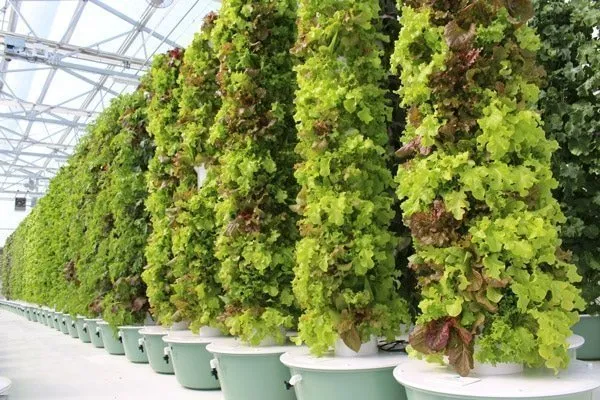
An indoor garden tower is a vertical growing system designed to produce herbs and leafy greens inside homes, apartments, and even offices.
With an indoor plant tower, you can produce fresh food in small spaces, but these towers come with specific requirements that could be challenging for a beginner.
This guide explains what indoor garden towers are, how to set them up correctly, what crops perform best, and when simpler vertical garden systems may be the better choice. Let’s dive right in.
What Is an Indoor Garden Tower?
As we already mentioned in the introduction, an indoor garden tower is a vertical growing structure where plants are arranged in stacked pockets or containers around a central column. Most plant towers stand on the floor and utilize minimal floor space by design.
Indoor garden towers differ from vertical garden walls, which are usually mounted and often decorative, in that they (indoor garden towers) are better suited for edible crops. They allow easier access to plants, better airflow around leaves, and more even watering when properly designed.
An indoor garden tower can be soil-based or hydroponic, but both depend on controlled conditions to function well. Light, water, and airflow must be optimal for these systems to function properly.
Best Crops for Indoor Garden Towers
The idea of growing crops indoors may be appealing, but not all crops are suitable for indoor growing. Indoor garden towers perform best with plants that have shallow roots, short growth cycles, and modest light requirements.
That said, here is a breakdown of the specific crops to consider for an indoor garden tower, starting with herbs that grow well indoors: basil, mint, coriander (cilantro), and parsley.
Aside from herbs, some leafy greens also do well indoors. Popular options you may consider for an indoor plant tower include: lettuce, spinach, kale, and arugula.
Fruiting crops such as tomatoes, peppers, or cucumbers are generally less ideal for indoor growth. They require stronger light, more space, and greater nutrient input, making them difficult to manage in an indoor setting.
Indoor Garden Tower Light Requirements and Placement
Light is the most critical factor for the success of indoor gardens. Many indoor towers fail simply because they are placed in areas with insufficient light. Here are a few things you can do to increase your chances of success:
- Natural light – Place indoor garden towers near large windows or glass doors that receive at least 4 to 6 hours of sunlight daily.
- Supplemental grow lights – In most indoor settings, supplemental lighting is necessary to maintain the healthy growth of your plants. This is where grow lights come in.
Notice that plants generally need 12 to 16 hours of light per day indoors. If they are subjected to uneven lighting, they can experience leggy growth, have weak stems, and deliver poor yields.
So, be sure to avoid common mistakes such as placing the plant towers too far from windows, underestimating the duration of light, and relying solely on room lighting.
Watering And Nutrient Management for Plant Towers
Once you choose to go the indoor garden tower direction, you must water the plants carefully to avoid leaks, root rot, or nutrient imbalance. Manual watering works for small towers, but requires that you remain consistent with it.
Automated watering systems, on the other hand, go a long way in improving reliability, even though they may add some complexity to the system.
Drainage design is especially important indoors. You must direct excess water safely into trays or reservoirs to prevent them from damaging floors and walls. Overwatering is also something you watch out for, as it is a common problem facing indoor growing.
Compared to outdoor vertical gardens, indoor systems require closer attention because mistakes are far less forgiving.
Indoor Climate Considerations
Indoor environments are more stable than outdoors, but they still present challenges. For instance, most herbs and greens prefer 18 – 25 °C, poor airflow encourages fungal diseases and weak growth, while excess humidity can lead to mold and mildew growth, especially in enclosed rooms.
So, to achieve success, you must keep the temperatures, air circulation, and humidity at optimal levels. This may entail using simple fans where you have your plant towers and good spacing between plants.
Indoor Garden Towers vs Simpler Vertical Garden Systems
Indoor garden towers can work well when conditions are right, but they are not always the most practical option. Only consider indoor garden towers when:
- Space is extremely limited
- Grow lights are available
- The user enjoys daily plant care
- Power supply is stable
However, in most cases, you will realize that simpler soil-based vertical garden systems offer similar space-saving benefits but with fewer challenges. Simpler vertical gardens:
- Rely more on natural light
- Require less frequent monitoring
- Do not depend on electricity
- Are more forgiving for beginners
For households with balconies, patios, courtyards, or outdoor walls, soil-based vertical gardens often deliver better results with lower effort. A well-designed vertical garden will allow you to enjoy fresh herbs and leafy greens without the technical demands of indoor towers.
Reliable Vertical Garden Systems in Nairobi, Kenya at Irrihub Ke, +254 112 148 880
If you are looking to set up a high-quality vertical garden system in Kenya, IrriHub offers a wide range of vertical garden products that can be supplied as independent vertical gardens or as complete vertical garden solutions. Our complete vertical garden solutions typically include:
- Modular vertical gardens
- Mounting hardware
- Micro drip irrigation kit suitable for indoor and controlled environments
- HDPE main and sub-main piping
- Precision driplines or drip buttons
- Filtration unit
- Water storage tank (where required)
- Installation guidance and technical support
Conclusion on Indoor Garden Towers
Indoor garden towers can be an effective way to grow herbs and leafy greens in limited spaces, especially where outdoor options are unavailable. However, they require careful attention to light, water, and hygiene to succeed.
As for many urban growers, simpler vertical garden systems provide a more practical and resilient solution, offering the benefits of vertical growing without the added complexity of indoor tower setups.
Choosing the right system depends on space, lifestyle, and how much hands-on involvement you are willing to commit. We hope this right-up helps you out.